A Camrost Felcorp Retrospective
By Jeremy Gladstone
Fifty years in Toronto real estate is not simply a measure of time. It is a measure of conviction. Cities are constantly changing—their density, design, sense of luxury—and to build across five decades is to accept that your work will be judged not at launch, but in hindsight. Camrost Felcorp’s history reads less like a corporate timeline and more like a body of work—a record of decisions made carefully and lived with for generations.
Founded by David Feldman and shaped over decades by a disciplined internal culture, Camrost has always treated development as stewardship rather than spectacle. The firm’s most enduring projects share a sense of restraint, emphasizing integrity, craftsmanship and how places function once the marketing banners come down. It is a people-first approach, quietly shaping neighbourhoods, refining the urban fabric and creating environments designed to last.
City-building is not about filling skylines. It is about shaping daily life.
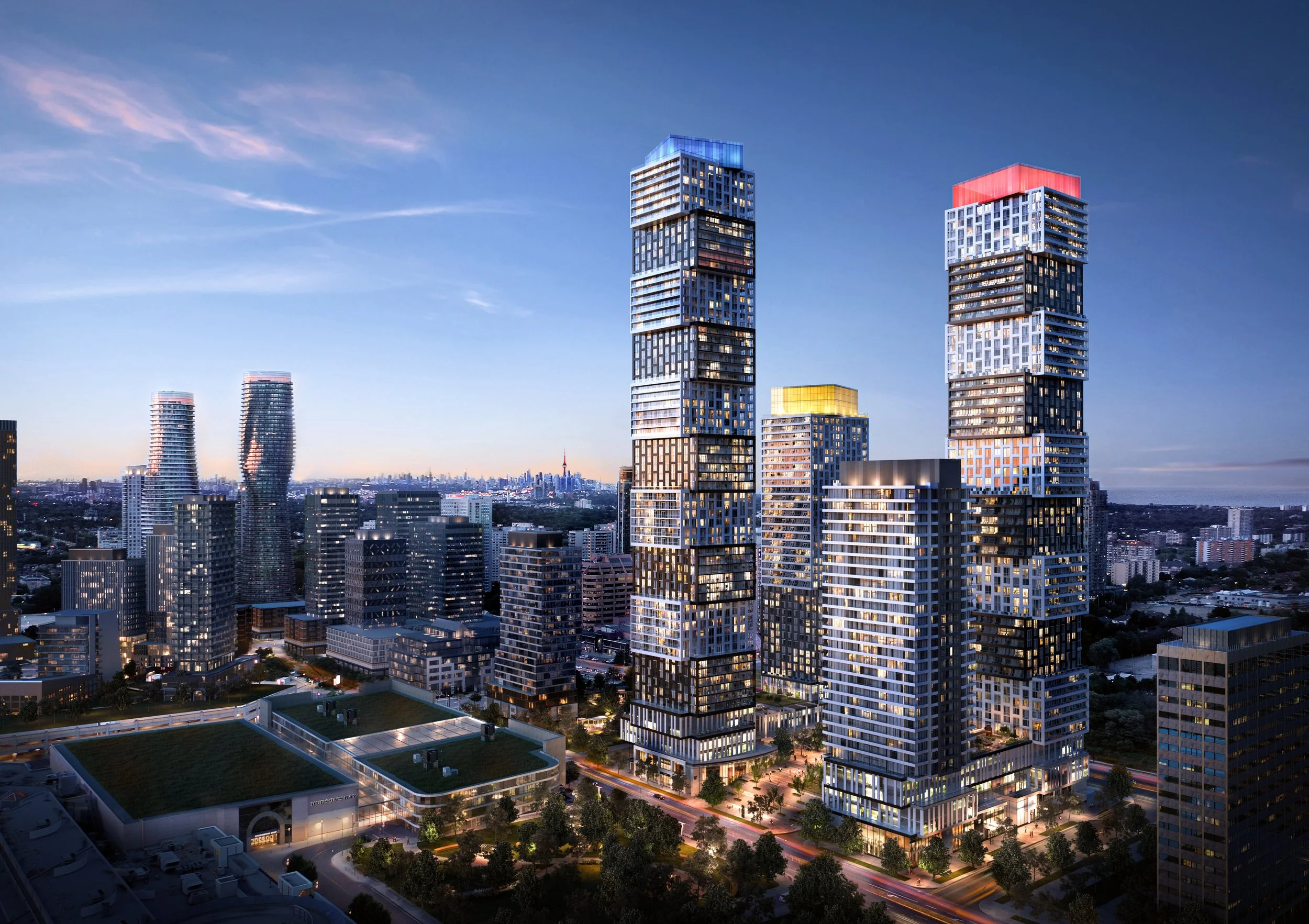
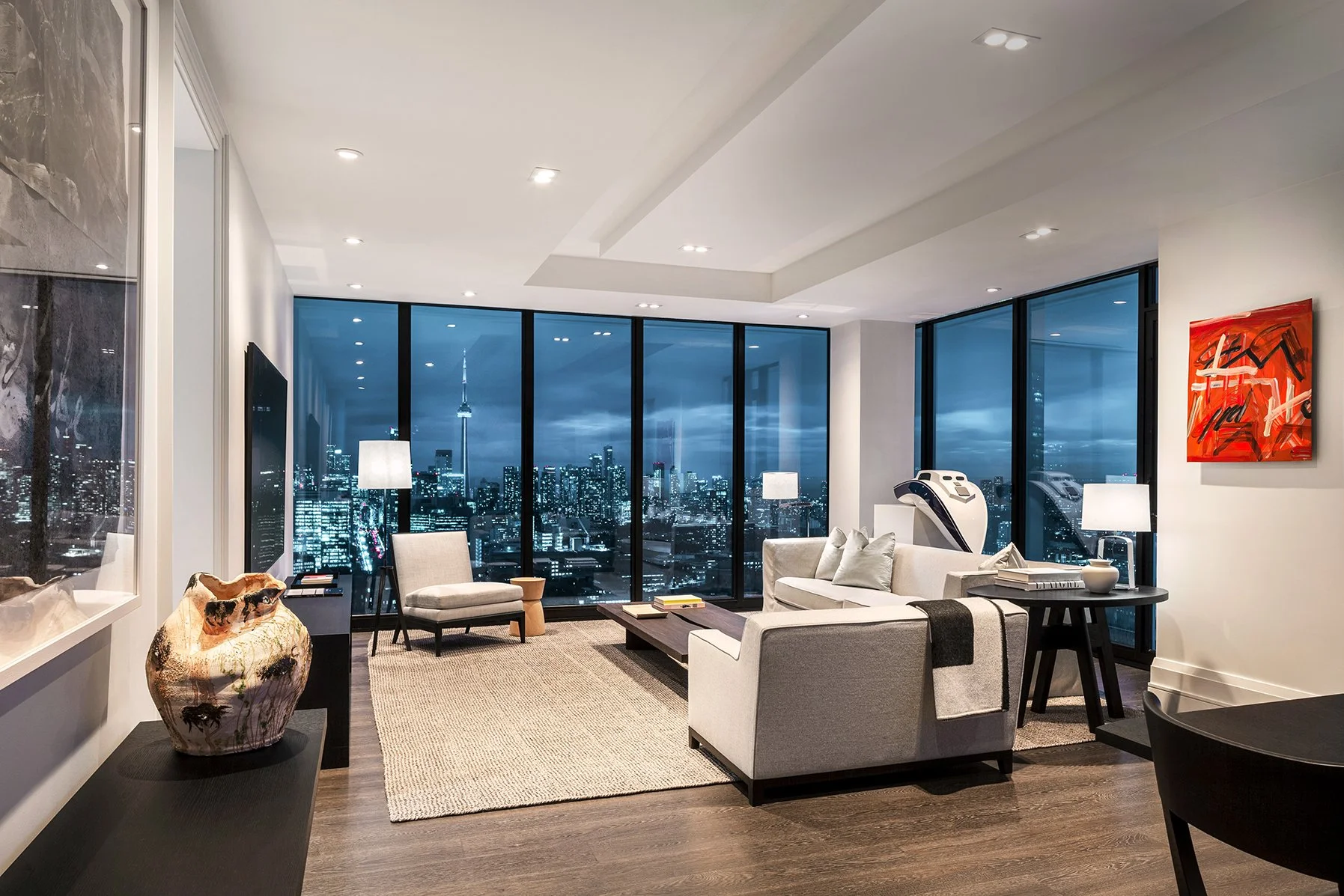
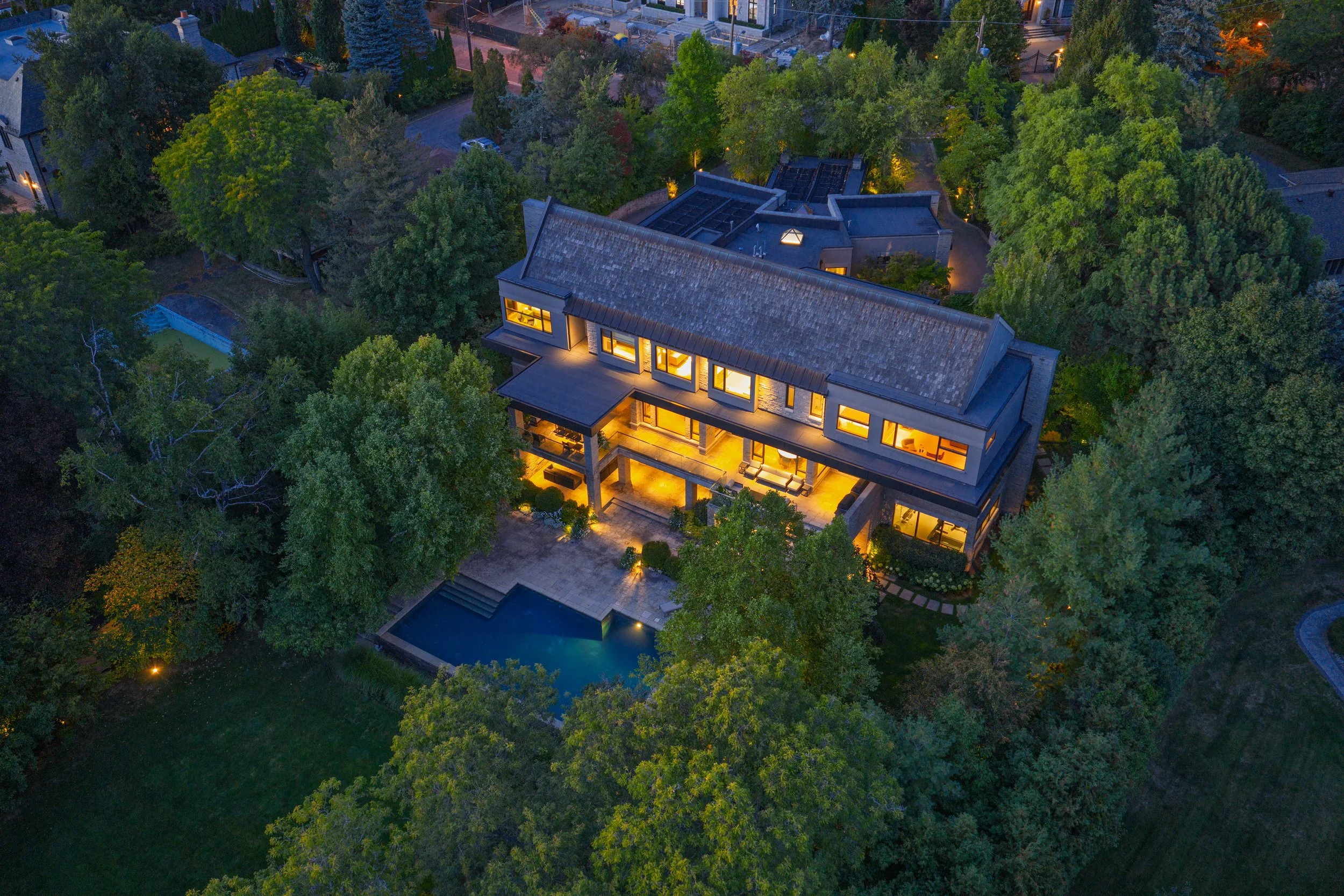
Exchange District
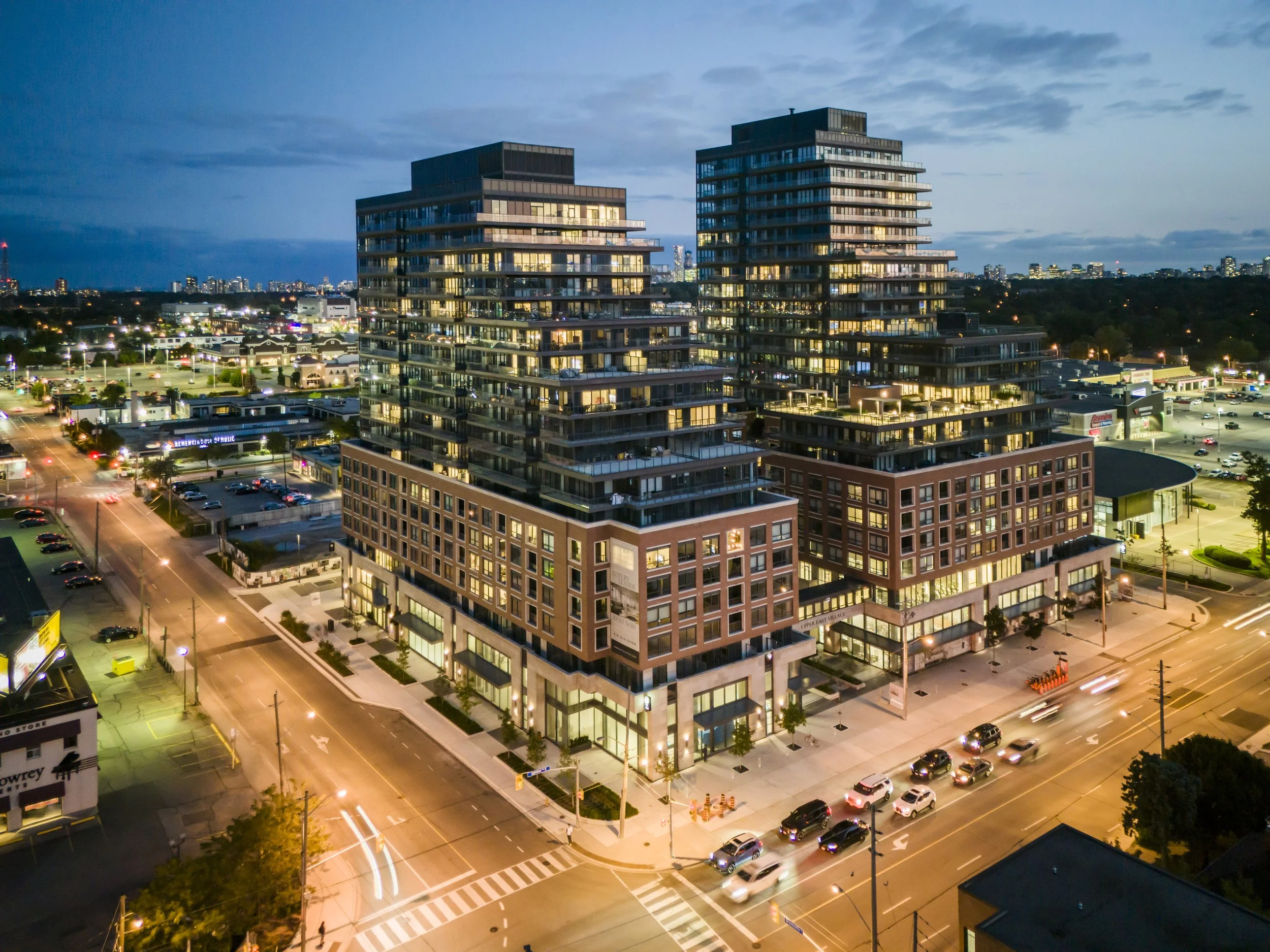
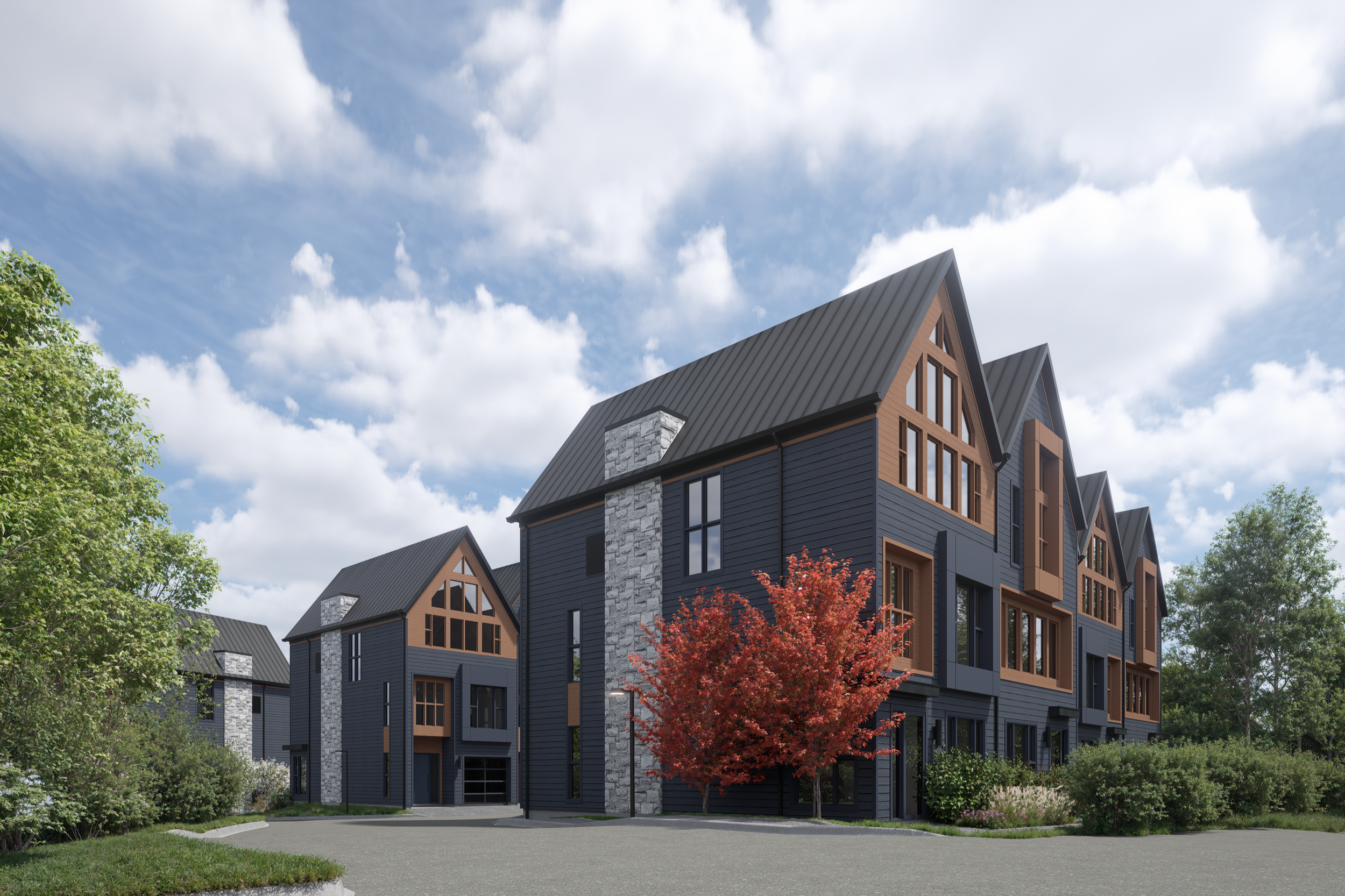
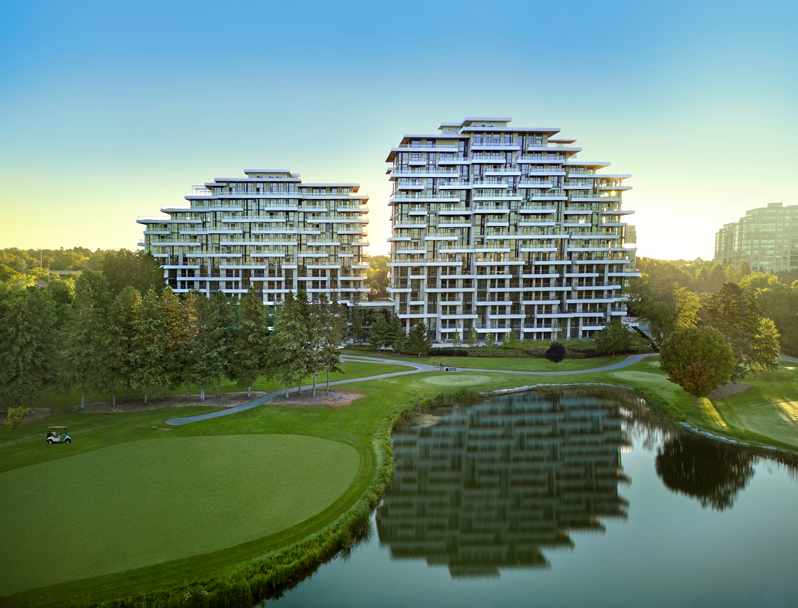
Upper East Village
That sensibility was evident early on. Long before luxury rentals became a dominant category in Toronto, Camrost established an early benchmark with 101 St. Clair, redefining what rental living could be. Thoughtful design, elevated amenities and a level of finish rarely associated with rental housing at the time allowed the project to command some of the city’s highest rents, not through excess, but through intelligence. The project reflected an early institutional understanding that rental housing, when treated with the same rigor as ownership product, could deliver both longevity and performance.
As Camrost’s portfolio expanded, so did its ambition for what urban development could deliver. Master-planned communities such as Upper East Village in Leaside and Mississauga’s Exchange District reflect a consistent belief that scale must serve cohesion, shaping environments with a clear sense of place, where architecture, streetscapes and everyday life are deliberately woven together to foster identity, belonging and long-term vitality. These were not conceived as isolated towers, but as complete environments. Places where retail, public space and residential life intersect in ways that feel deliberate rather than accidental. Their success lies in how seamlessly they have been absorbed into the fabric of the city, becoming neighbourhood anchors rather than interruptions.
Few development firms in Toronto have built deep expertise across both purpose-built rental and condominium housing. Camrost’s portfolio reflects fluency in both models—understanding not only how to design and deliver each but how to operate them successfully over time. That dual capability has allowed the firm to respond intelligently to market cycles, policy shifts and evolving housing needs, while maintaining consistent standards of quality and performance across tenure types.
The most enduring developments are the ones that do not demand attention but earn it over time.
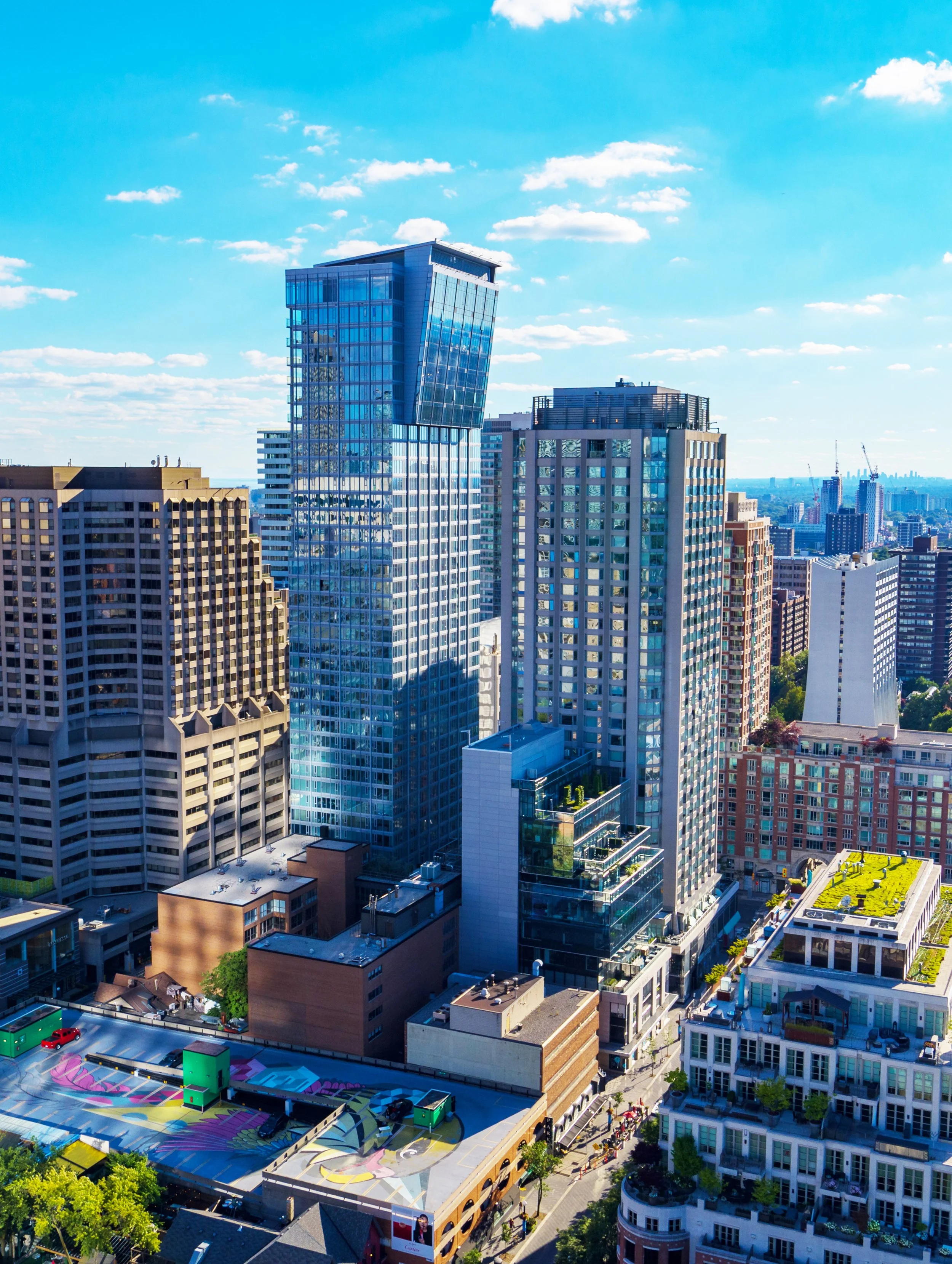
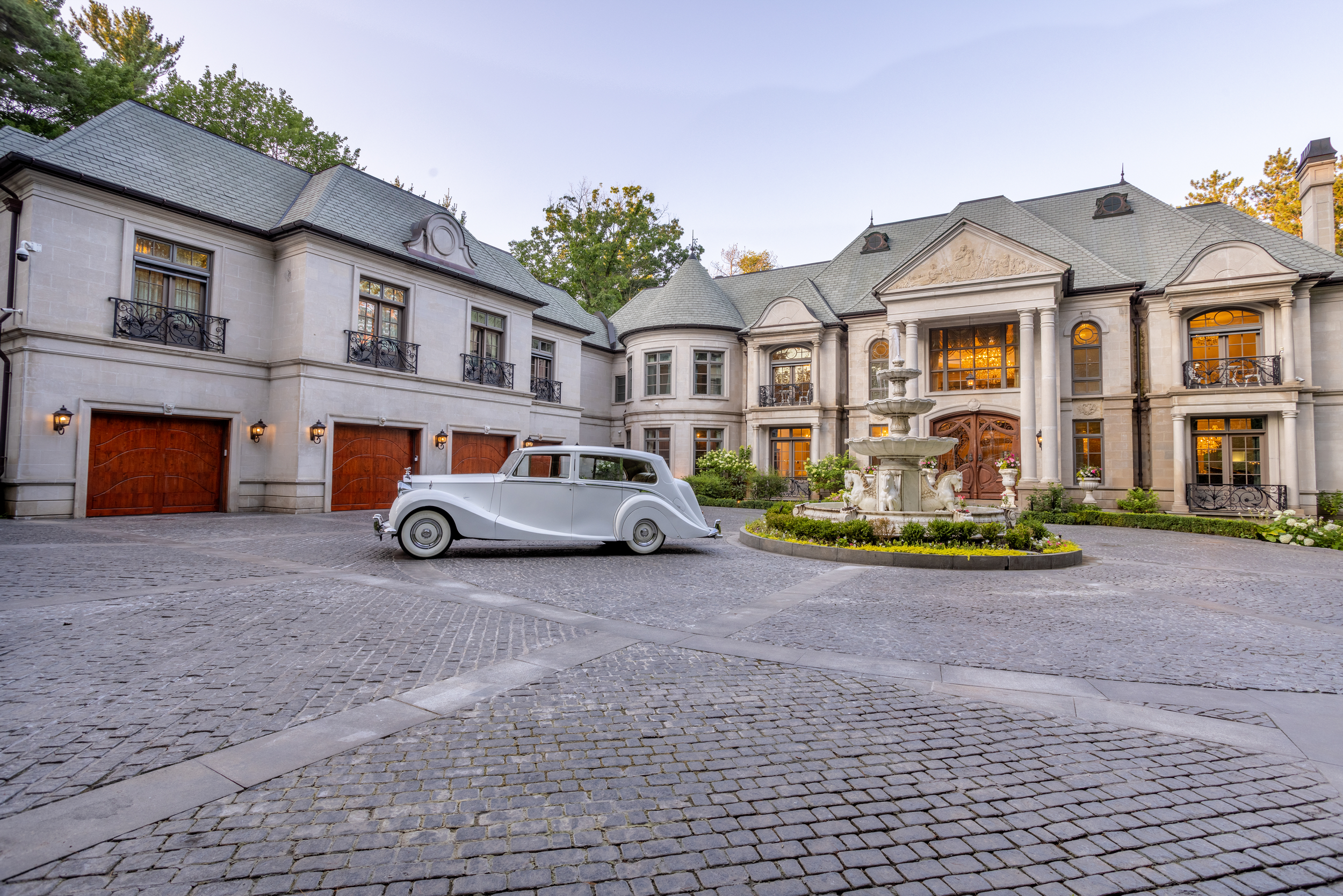
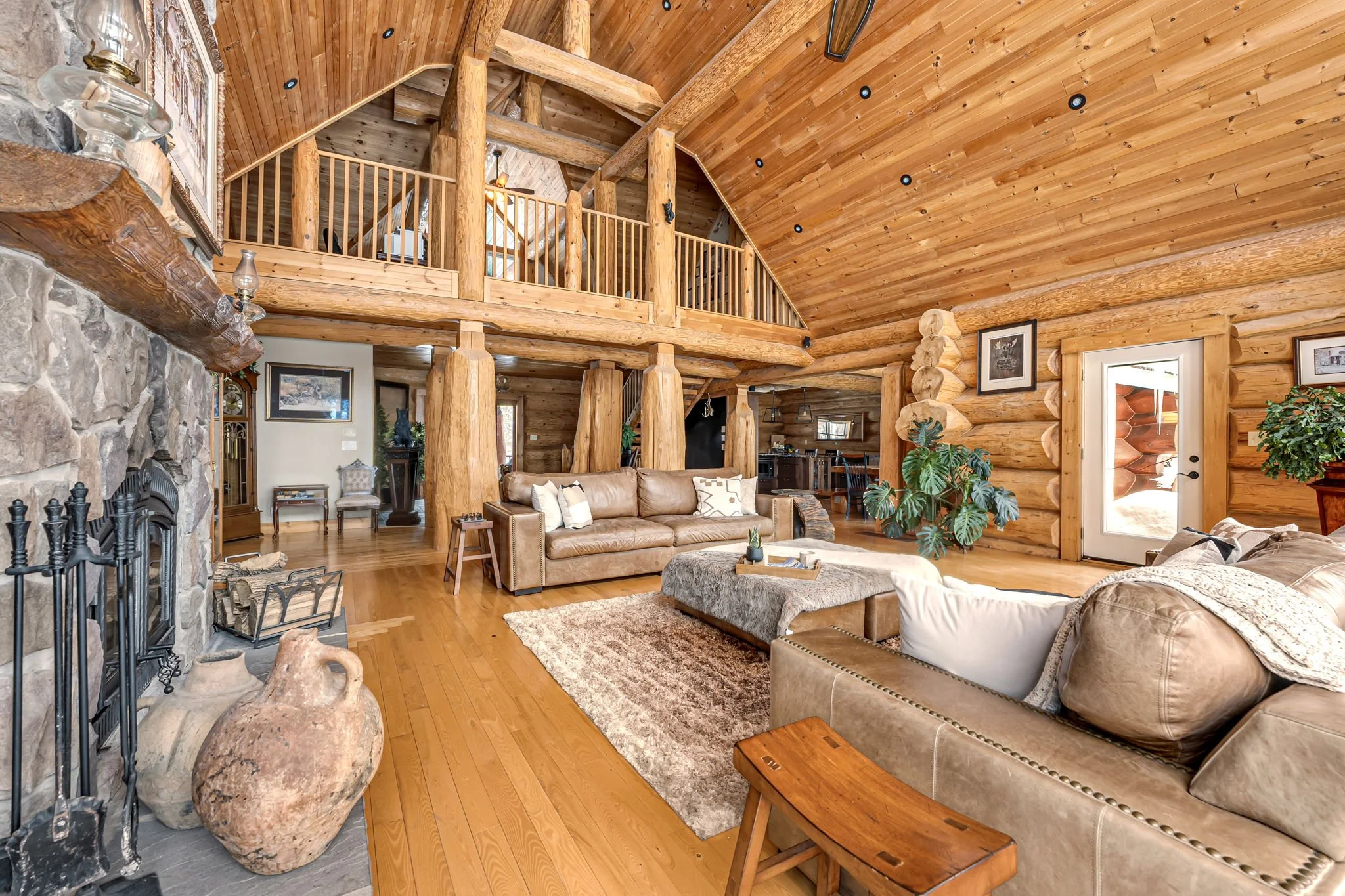
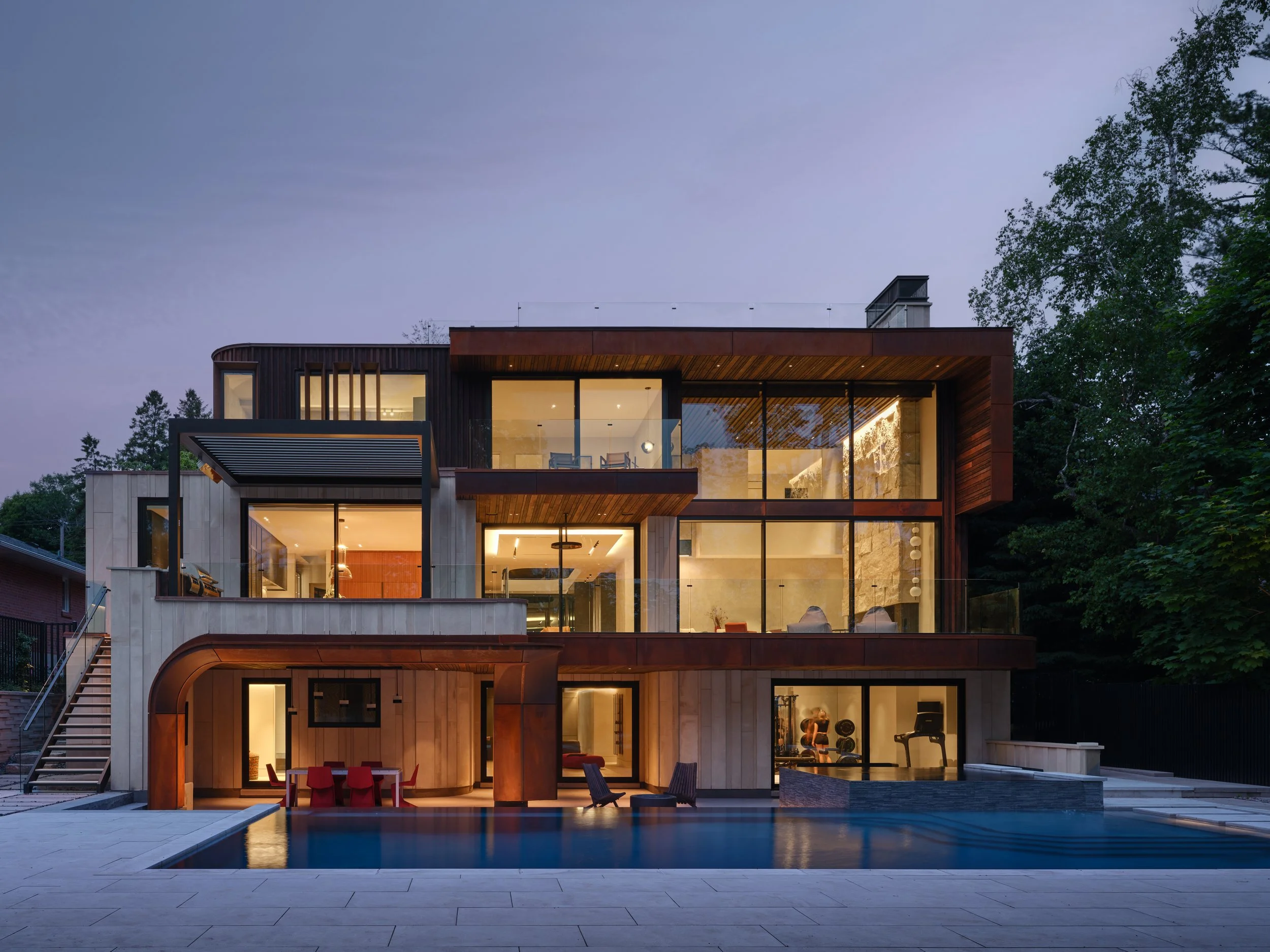
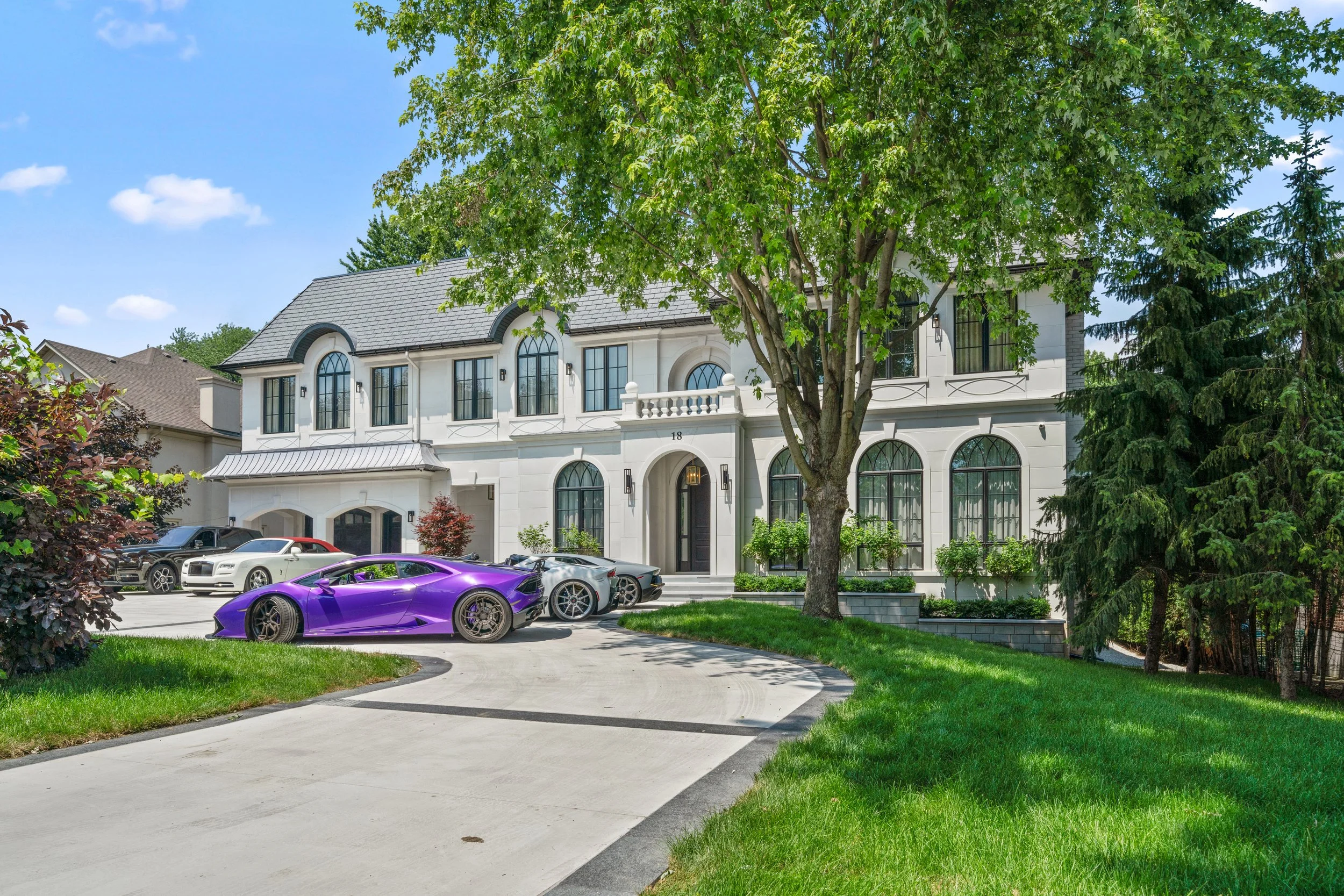
Few projects capture Camrost’s refined understanding of luxury more clearly than Yorkville Private Estates. Situated at Avenue and Cumberland, the collection of private estate residences embodies a distinctly restrained interpretation of exclusivity. Here, luxury is not announced loudly. It is expressed through proportion, privacy and precision. Yorkville Private Estates does not chase attention. It commands it quietly, standing as one of the most coveted residential addresses in the country.
Today, under the leadership of President Joseph Feldman, Camrost enters its next chapter with a rare balance. The preservation of David Feldman’s disciplined, values-driven pedigree is paired with a new generation’s fluency in innovation, technology and contemporary urban thinking.
This image: Yorkville Private Estates.
Over the past decade, I have had the privilege, through Gladstone Media, of working closely alongside Camrost Felcorp as its agency of record, helping shape the communications and narratives behind many of these landmark projects.
“Our role has been to author the story around the work, giving clarity and voice to the vision behind it.”

Yorkville Private States
Across the portfolio runs a consistent thread of stewardship. Camrost has long operated on the principle that responsible development extends beyond architecture into policy, public realm, and culture, an approach established under David Feldman’s leadership. Their sustained engagement with municipalities and industry bodies reflects an understanding that shaping cities also means helping shape the conditions under which they grow, work that may be largely unseen but is foundational to enduring, well-functioning urban places.
That broader view of city-building also embraces culture. From integrated public art to long-standing support of major cultural institutions, Camrost’s developments acknowledge that cities are not merely lived in but experienced. Art, when treated as part of everyday life rather than an afterthought, elevates the urban experience in ways that linger long after first impressions fade.
A true retrospective invites reflection, not nostalgia. Camrost Felcorp’s 50 years tell a story of consistency, care, and belief in the long view. In a city that never stops evolving, the most meaningful legacy belongs to those who understand that building well is not about keeping pace with change but guiding it.
Yorkville Private Estates photography by Margaret Mulligan. Exchange District Rendering By Norm Li. Upper East Village Photography by David Xu.
Related Posts