Layered Living
Designer Jane Lockhart discusses the defining home design trends shaping 2026—from patterned hardwood floors and layered interiors to kitchens reimagined as social spaces for entertaining.
By Christina Armanious
Just as white noise provides calming background sound for some, my own escape takes the form of cozy ambience videos on YouTube. I often drift virtually into homes of every aesthetic, leaving my modest condo behind and stepping into spaces that reflect my mood. It’s a small reminder of design’s quiet power: the ability to transport us. One moment I’m sitting on my sofa writing this, and the next I’m imagining myself in a spacious Art Deco living room, my productivity at its peak.
One quick conversation with Jane Lockhart—TV personality, author, and principal designer at the award-winning firm Jane Lockhart Design—explains the allure of these imagined interiors. A thoughtfully designed space, she believes, is less about following trends and more about reflecting personal taste. This ethos is what governs her work across both commercial and residential interiors. “My philosophy is that design should be personal to you, because you are the one interacting with the space,” Lockhart says. “Our design approach at the firm is often what we call chameleon-like, in the sense that it doesn’t necessarily reflect my personal taste, but yours. My job is to make a space look as good as it can possibly be, relative to what a client wants.”
While individual expression remains the foundation of great design, each year still brings new ideas and aesthetics that shape the way our homes evolve. For 2026, Lockhart sees interiors becoming more colour-forward, with a growing embrace of pattern and texture through textiles, wallpaper, tiles, and especially flooring—one of the biggest areas of transformation.
“What we’re seeing now are colours and patterns in hardwood: fractal patterns, curves, and shapes created directly within the wood itself,” she says, replacing the need for carpet to create visual interest. Brands such as Khayeri Curated Flooring are already embracing this shift, offering custom-coloured engineered hardwood that allows homeowners to bring bold colour directly into the foundation of their spaces.
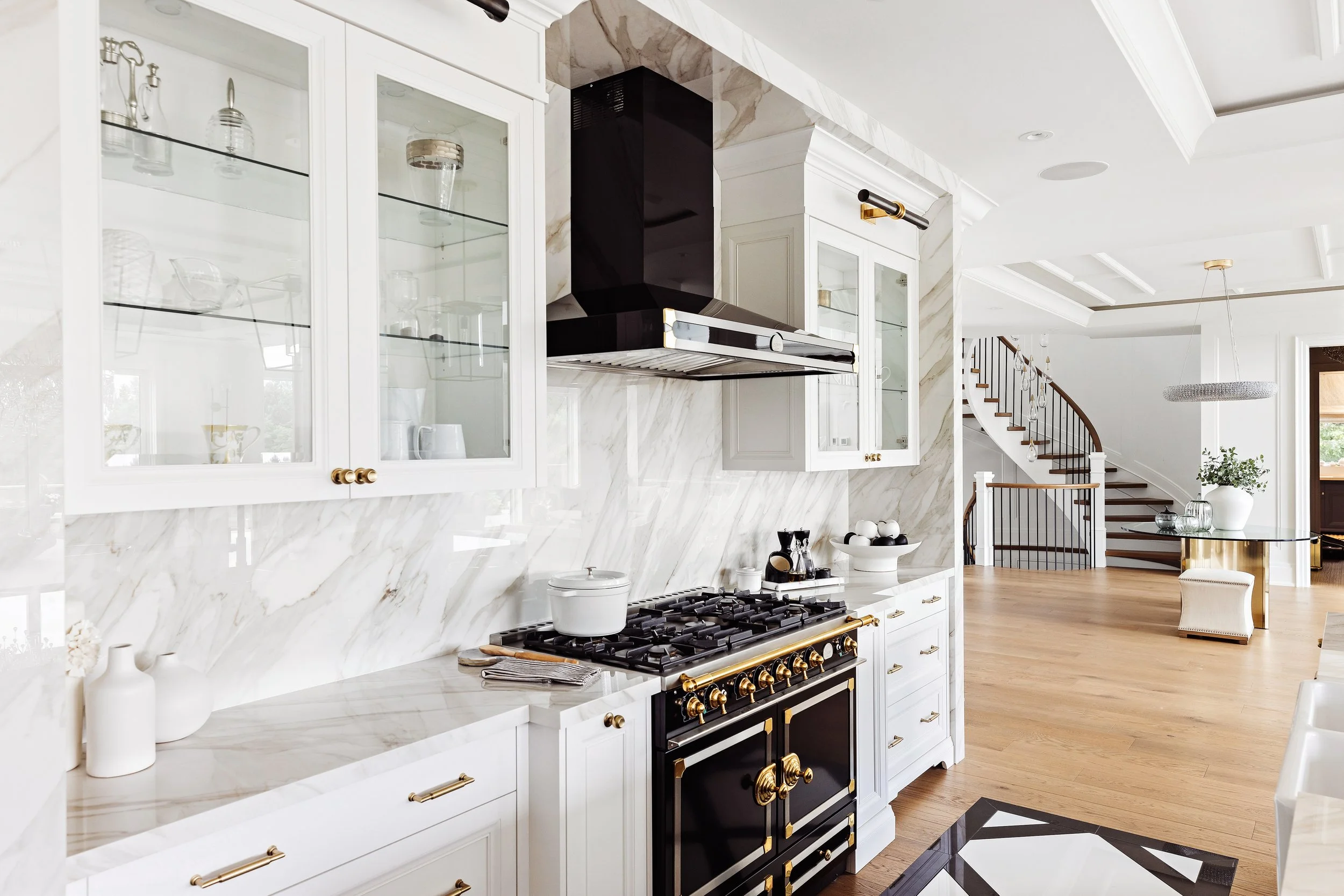
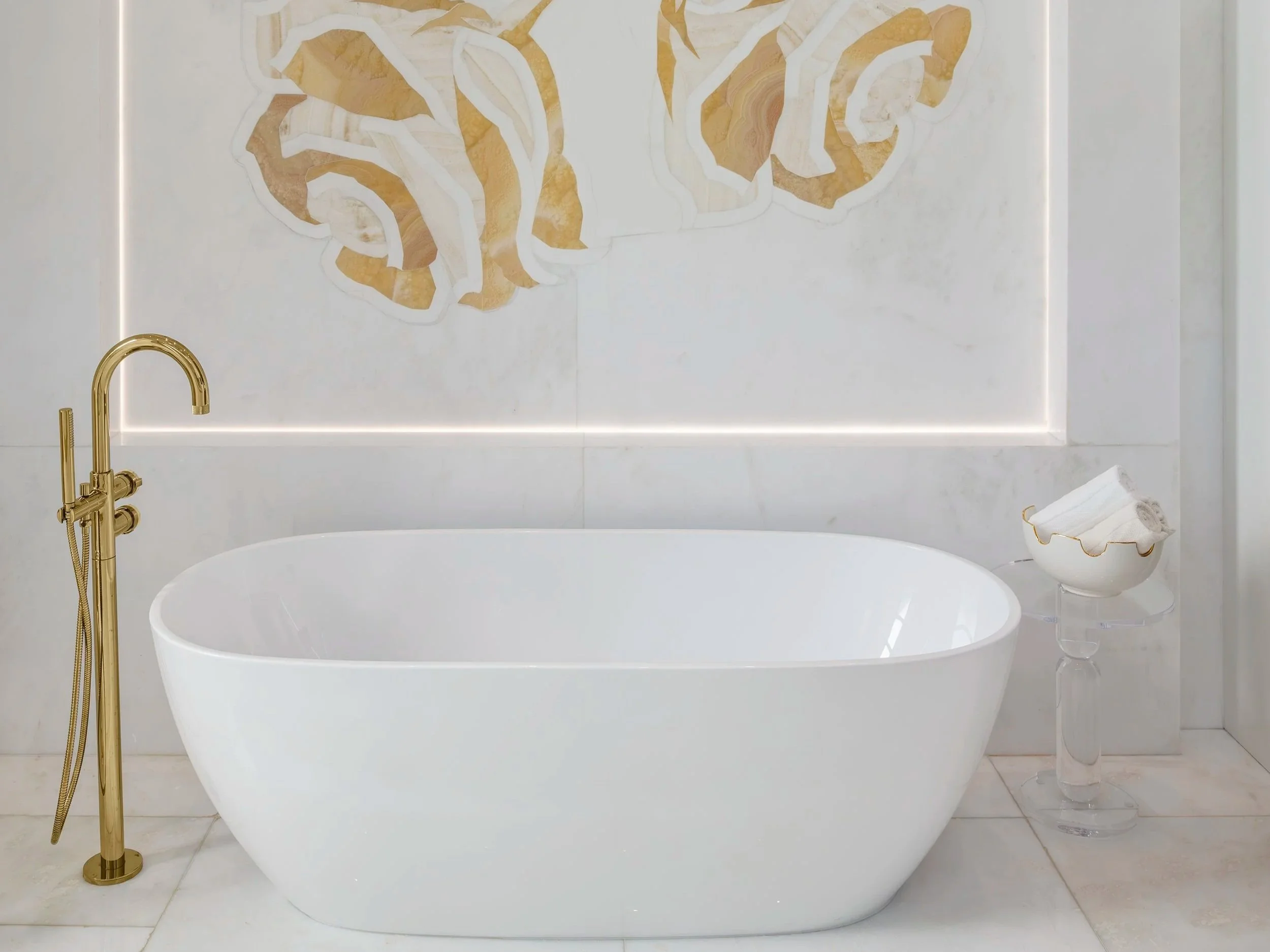
In luxury interiors, simplicity or understated elegance often comes to mind. But Lockhart notes that bold colour and pattern don’t have to compromise a sense of refinement. What gives a space its feeling of luxury, she says, is layering. “When we talk about wanting a place to feel luxurious, people often miss the layering aspect of design,” she explains. “Layering means you’re going to pick a paint colour or a wall covering, and you’re going to pick a flooring. That’s step one.” From there, designers build depth by introducing complementary textures and details throughout the room. “Then you pick up that texture and add it into the pillows, maybe the artwork, maybe lamp shades as opposed to just overhead lighting,” Lockhart says, noting that these subtle additions are what give a space richness without making it feel cluttered.
Homeowner priorities have also shifted in recent years, with a growing awareness that homes must function as places to live, work, relax, and entertain—all while maintaining long-term value as an investment. As a result, features such as coffee bars, larger kitchen islands, under-counter refrigerators, and main-floor wine storage are becoming more common as people rethink how they host friends and family.
At the same time, wellness-focused spaces are gaining popularity—from cold-plunge pools to covered back porches that blur the line between indoors and outdoors—creating private retreats for relaxation. Rather than personalization through colour alone, Lockhart notes that homeowners are now designing spaces around the activities and experiences that happen within them. Nowhere is this change more evident than in the kitchen.
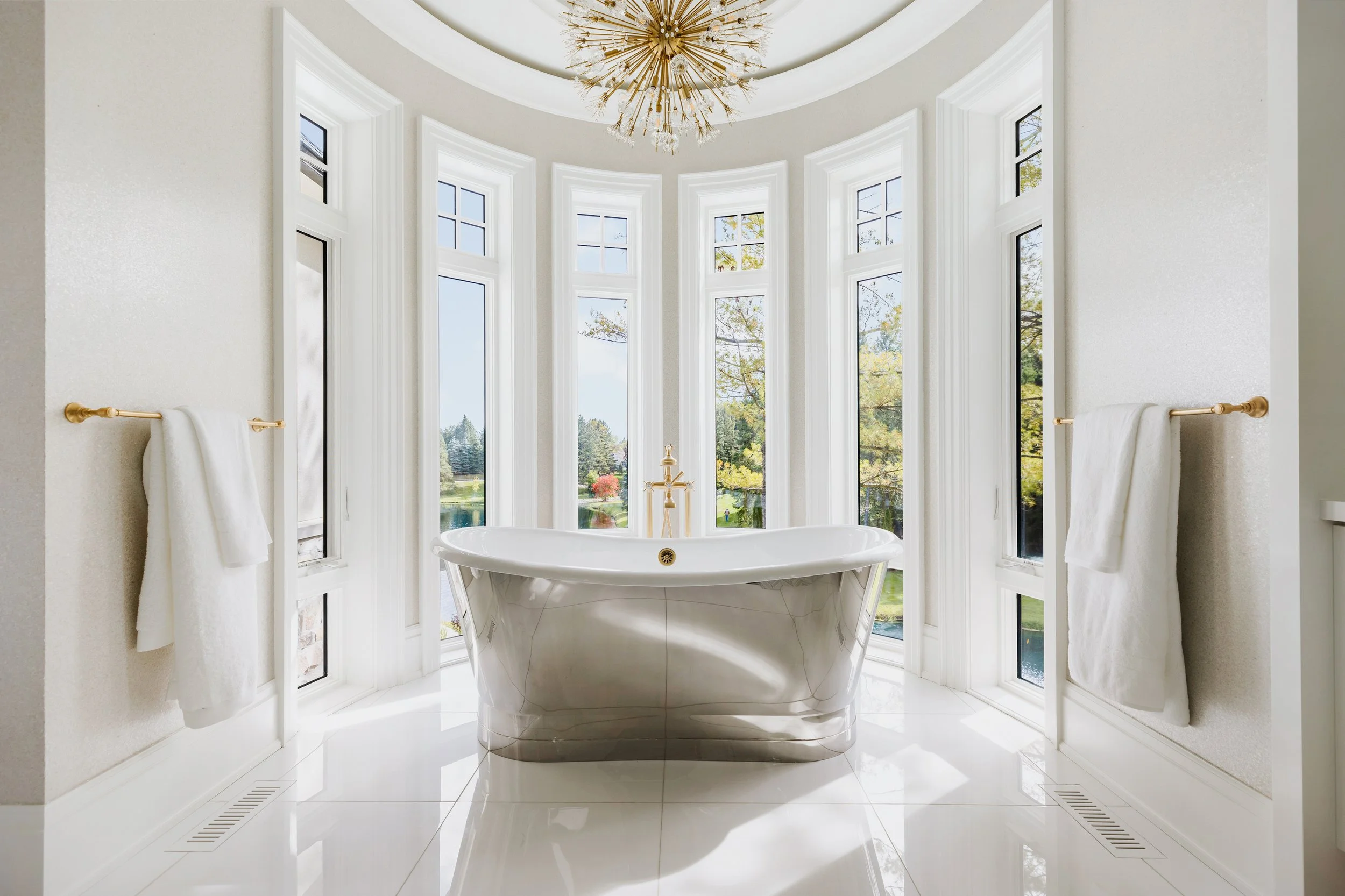
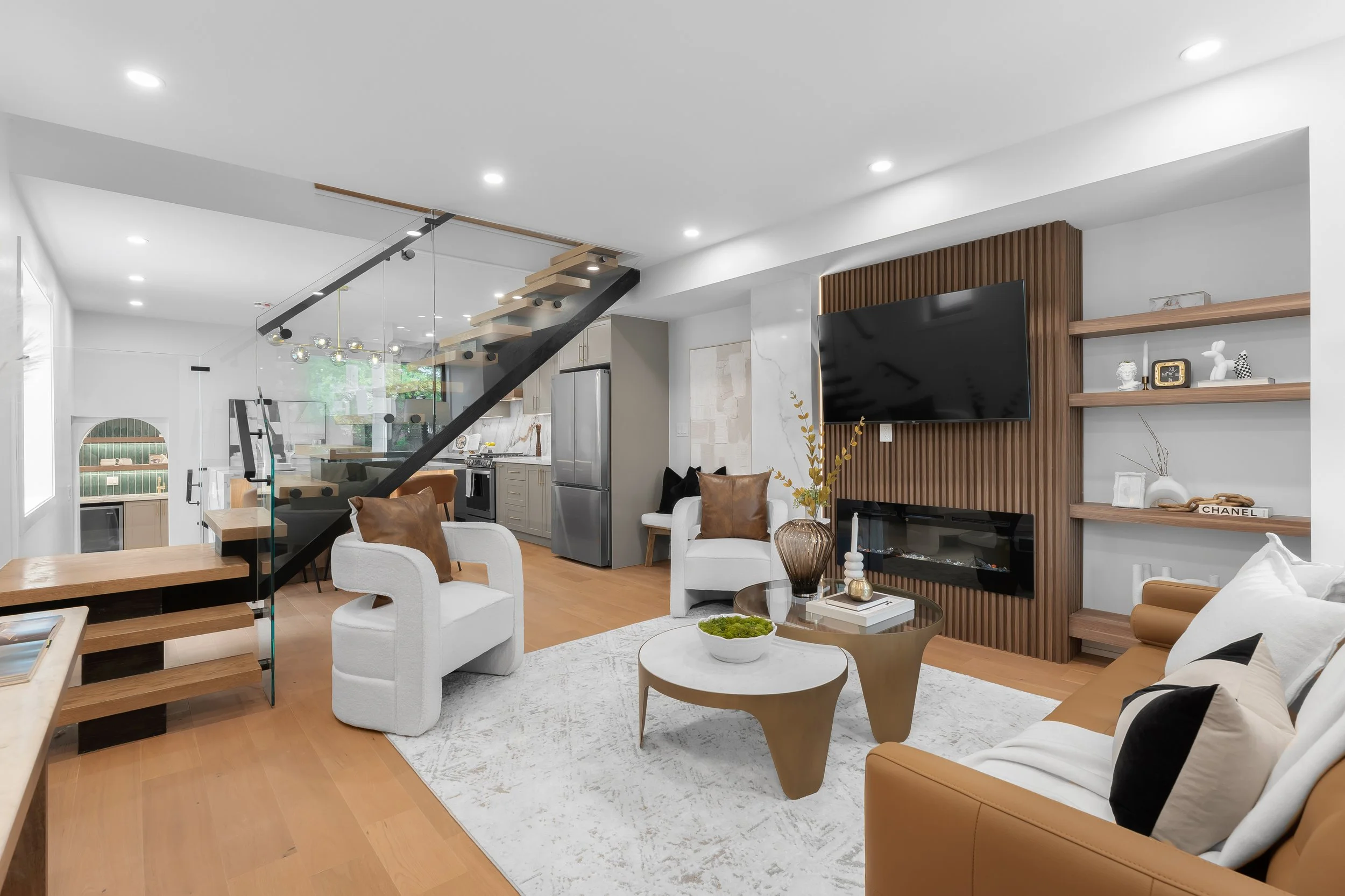
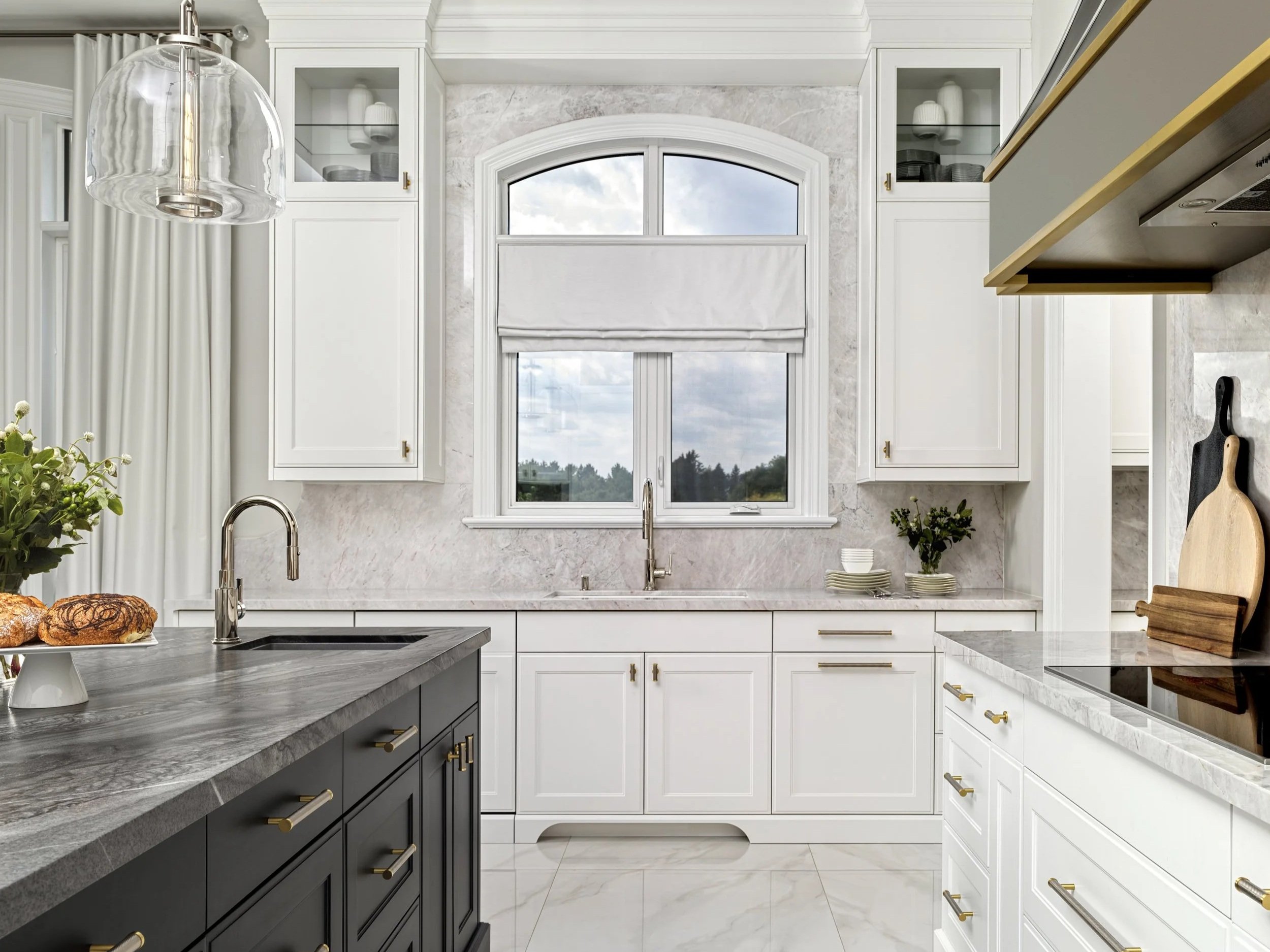
Kitchens themselves have undergone a noticeable shift in both layout and design. Lockhart explains that many renovations now place the kitchen at the centre of the home, acting as a connector between the front of the house and the main living areas rather than being tucked away at the back.
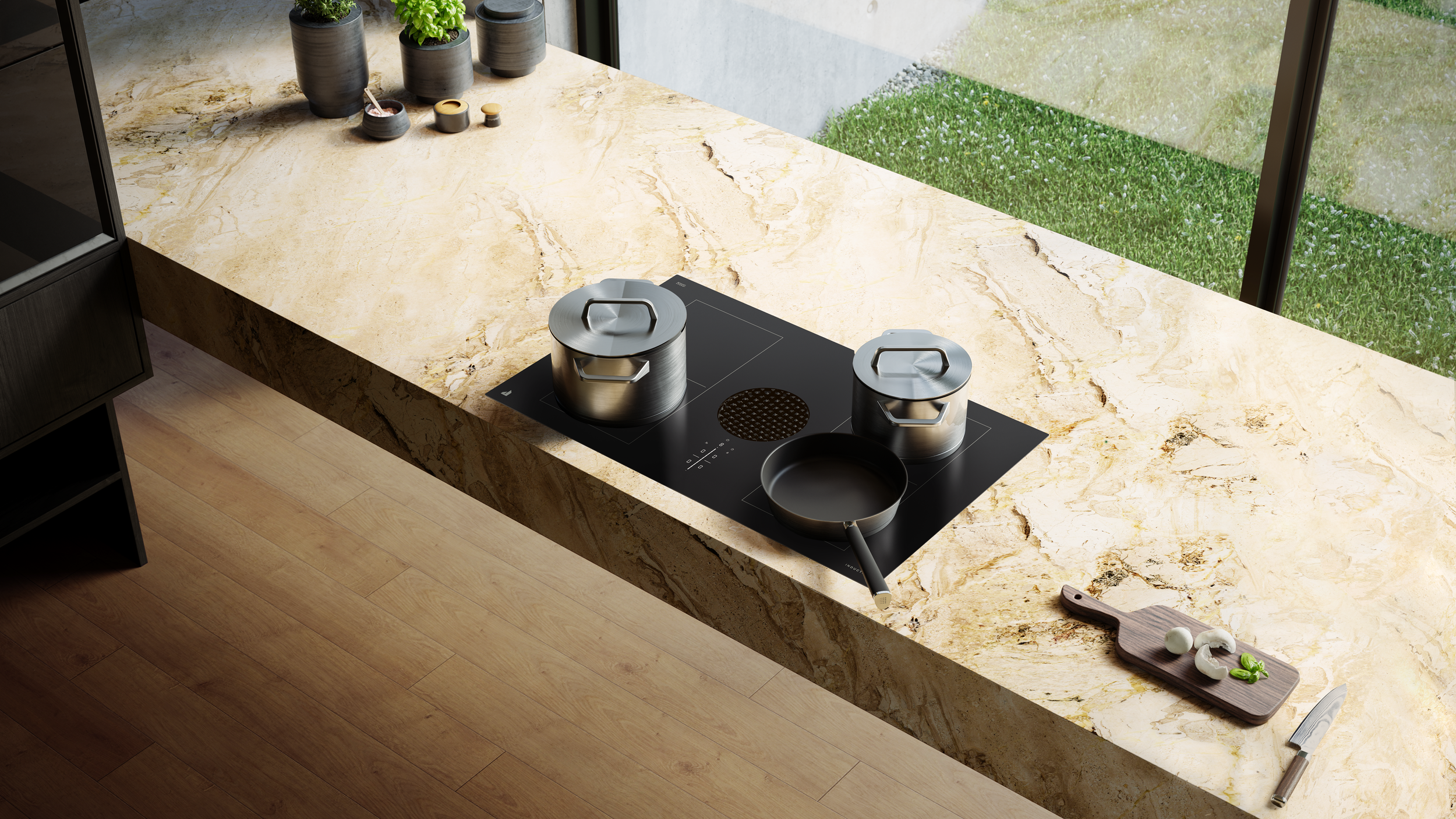
Beyond its new central position, it’s also becoming less visibly “kitchen-like.” Today, it blends seamlessly into surrounding spaces, taking on the feel of a living or hospitality-inspired environment rather than a purely functional workspace. “The kitchen doesn’t look like a kitchen anymore,” she says. “I don’t necessarily see the fridge, upper cabinets, or the hood. Appliance companies have responded with things like fridge drawers, induction cooktops, and downdrafts that come out of the countertop instead of a big hood overhead.” The result is a space where islands double as dining tables, appliances are concealed within millwork, and the kitchen becomes part of the home’s main gathering area.
For Lockhart, the future of home design can be distilled into three words: legacy, heritage, and depth—reflecting homeowners’ growing desire to invest in spaces that feel personal, enduring, and layered with meaning rather than simply following passing trends.
Related Posts