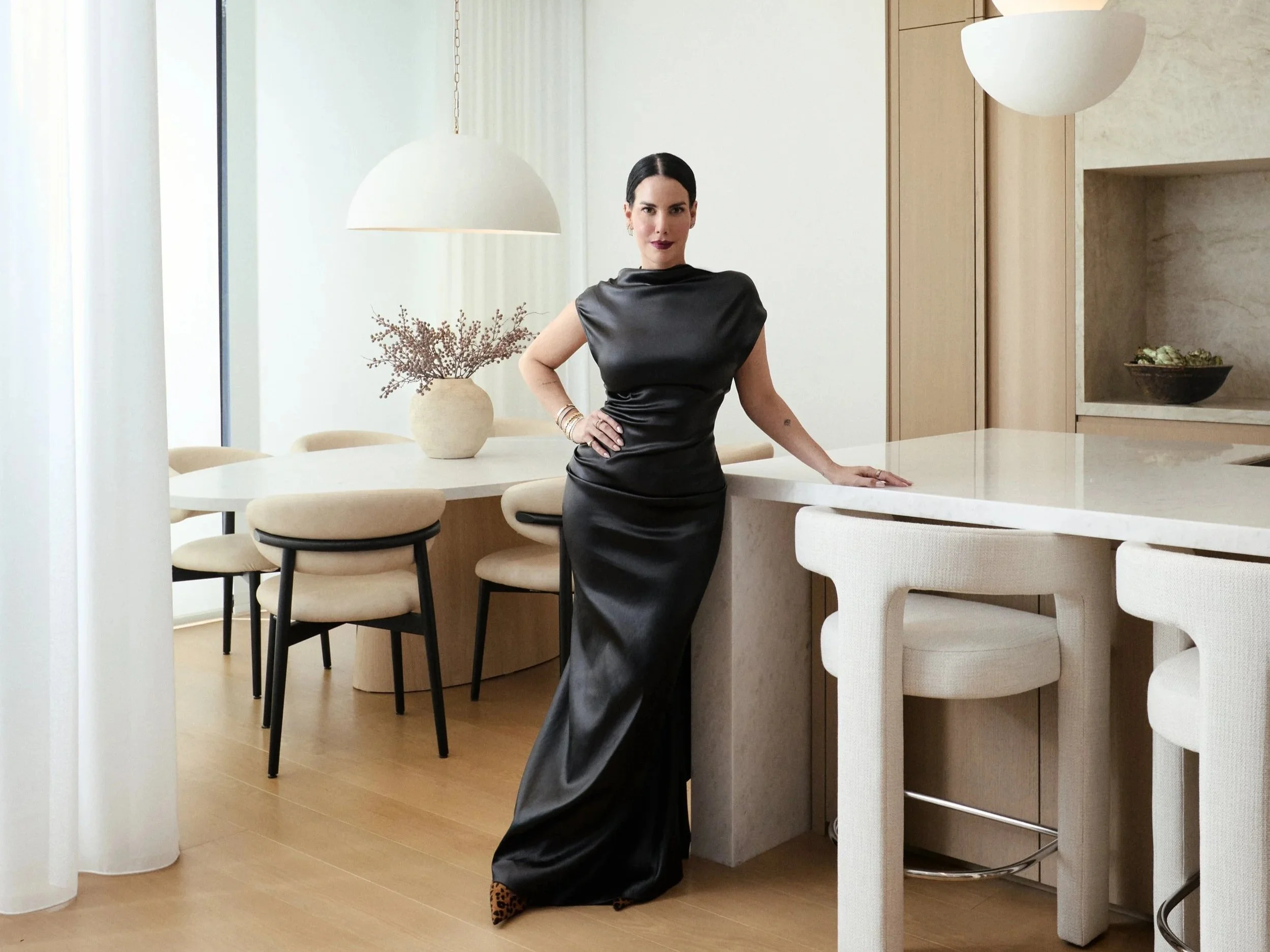
Setting The Scene
At Stage Smart, Ana Brunskole transforms empty spaces into homes that feel lived in before anyone even moves in, guided by a deep understanding of how people experience a space.
By Christina Armanious
When you come across the work of a truly talented creative, you tend to assume there’s a familiar origin story behind it—the kind that begins in childhood, with an early passion and a perfectly timed moment of discovery. That’s what I expected to hear when I got on the phone with Ana Brunskole, the visionary behind the luxury home staging company Stage Smart, after spending far too long admiring her transformations on Instagram.
Instead, she surprised me. “I actually didn’t really know anything about staging,” she says. “It was a passion I didn’t know I had until about 10 years ago.” The discovery came unexpectedly. A friend—who happened to be a Realtor—came over and asked if she was preparing to sell. It looked, he said, professionally staged. “I was like, ‘What is that?’ ” Brunskole recalls with a laugh. “So he explained it to me, and I thought, well, that sounds like my dream job.”
A decade later, she’s living it—transforming homes across Ontario and, more importantly, helping people visualize what their lives could look like within it.
For Brunskole, that vision begins at the front door. Before buyers notice finishes or layouts, they react to how a space makes them feel. “I always start with the entryway,” she says. “That first impression is really important—that’s what’s going to set the tone for the entire house.” Whether it’s a defined foyer or an open-concept reveal, the entryway becomes a moment of decision, one that sparks curiosity or quietly closes it off.
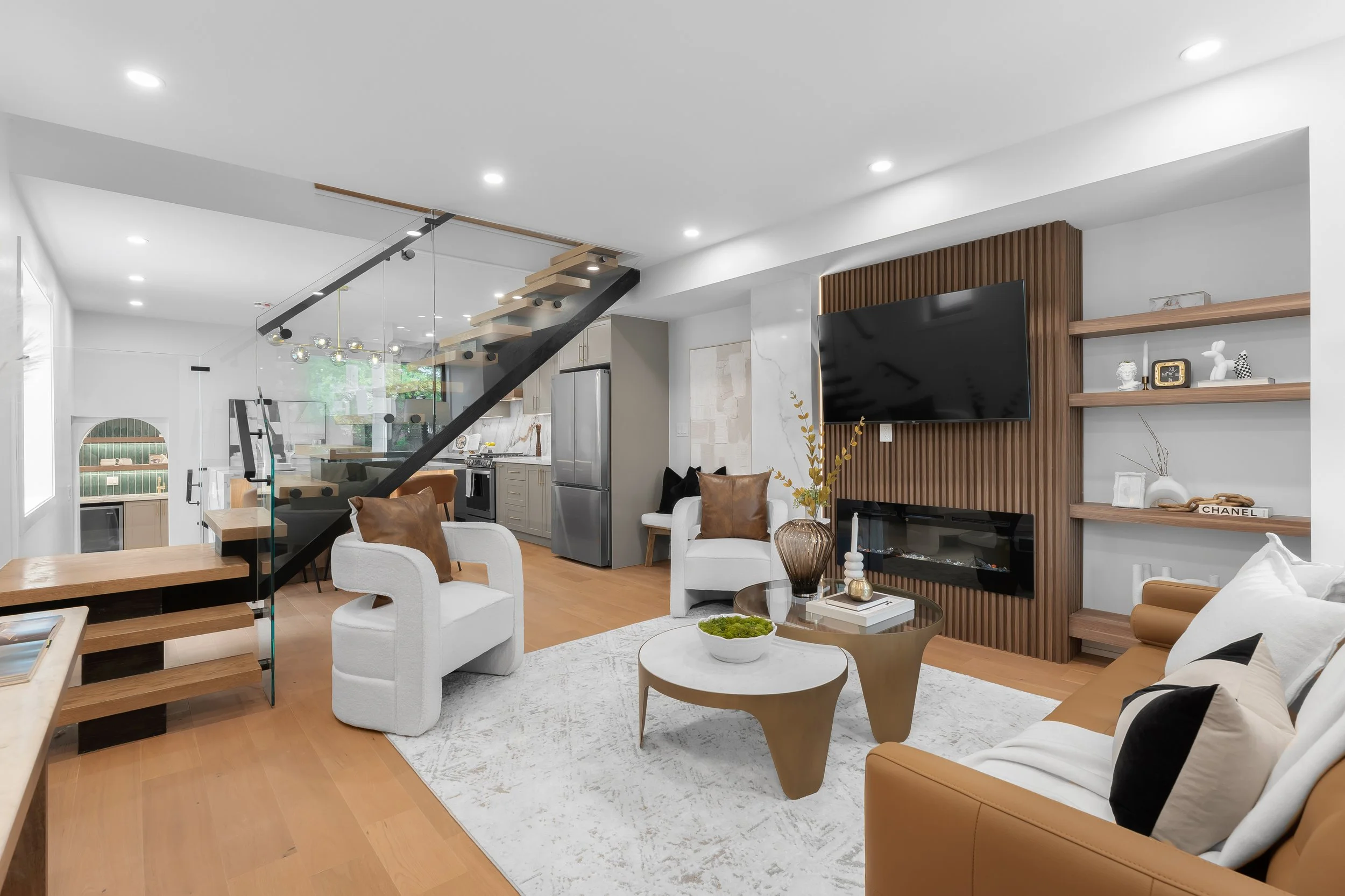
From there, the focus shifts to the living room, where that initial feeling is put to the test. “That’s where most families spend their time,” she says, making it a space that must feel effortless, intuitive, and easy to settle into.
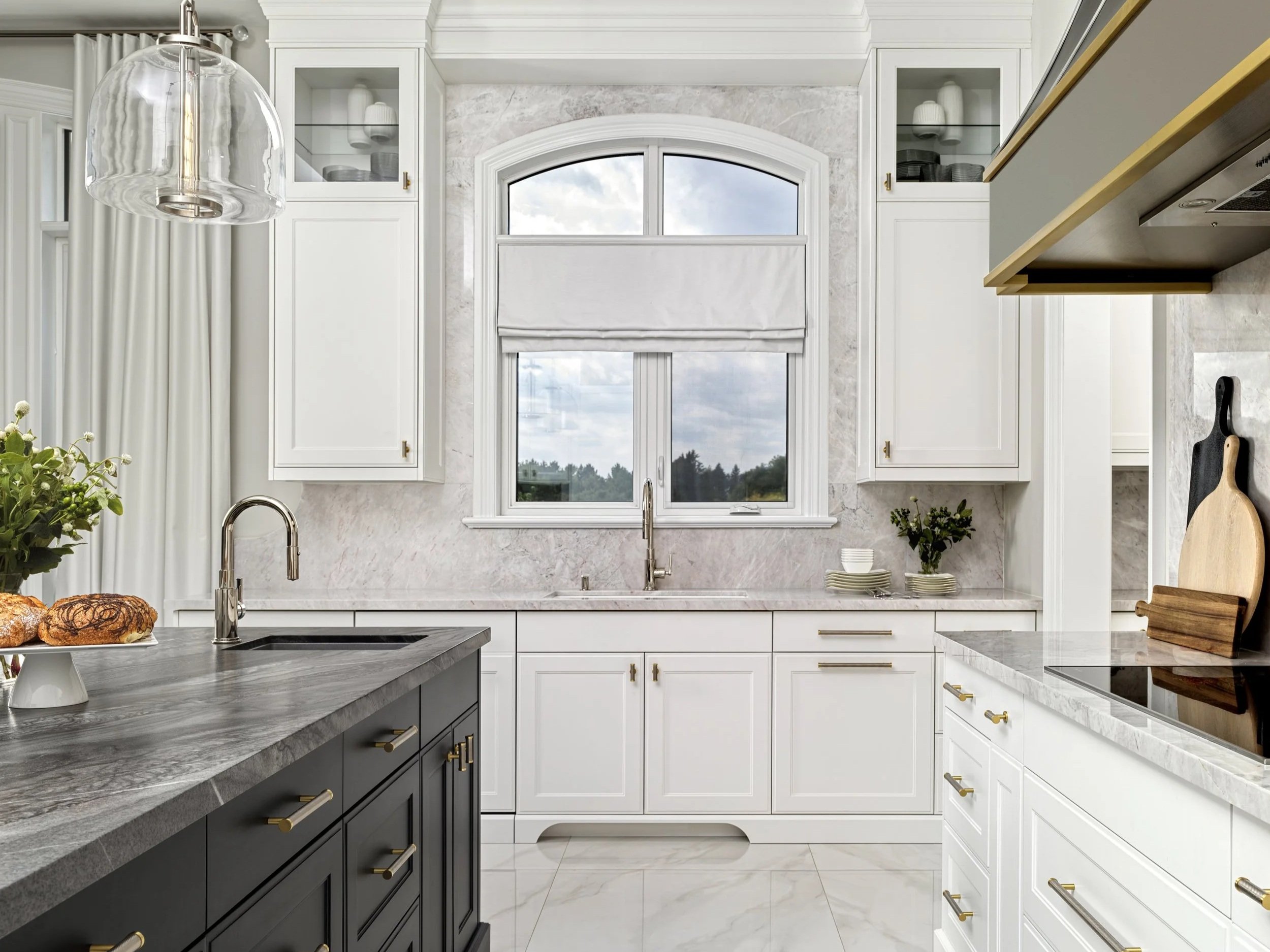
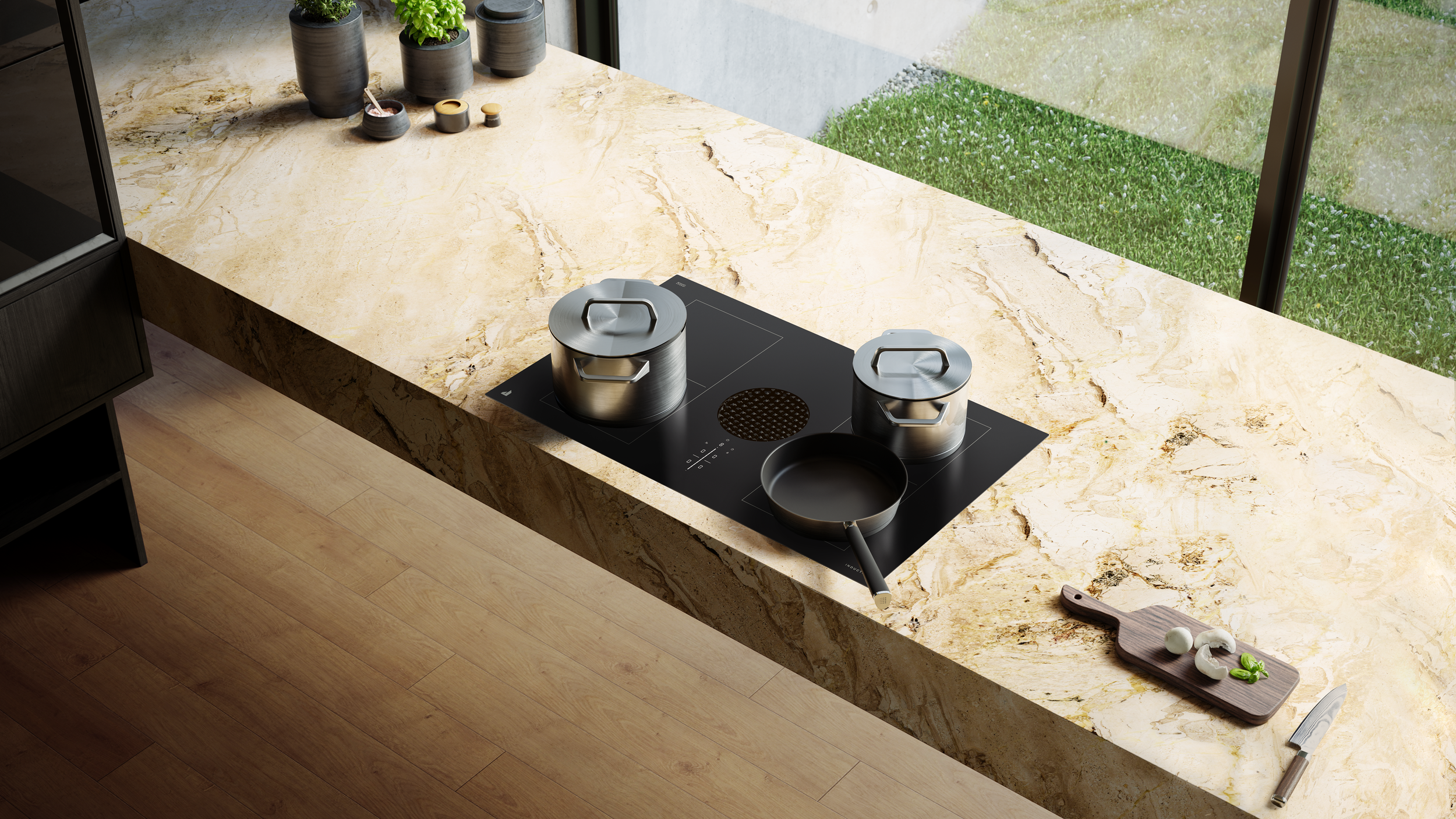
The kitchen, meanwhile, operates on a different level. It’s no longer just functional, but a space where people naturally gravitate, often abandoning living room couches in favour of conversation around the island. “They say it’s the heart of the home, and I 100 per cent agree,” Brunskole says. In open-concept homes, it often acts as the visual anchor for everything around it. When she’s involved in shaping a space beyond staging alone, she often begins there, leaning toward earthy palettes, warm wood accents, statement countertops, and lighting that draws the eye without overwhelming the room.
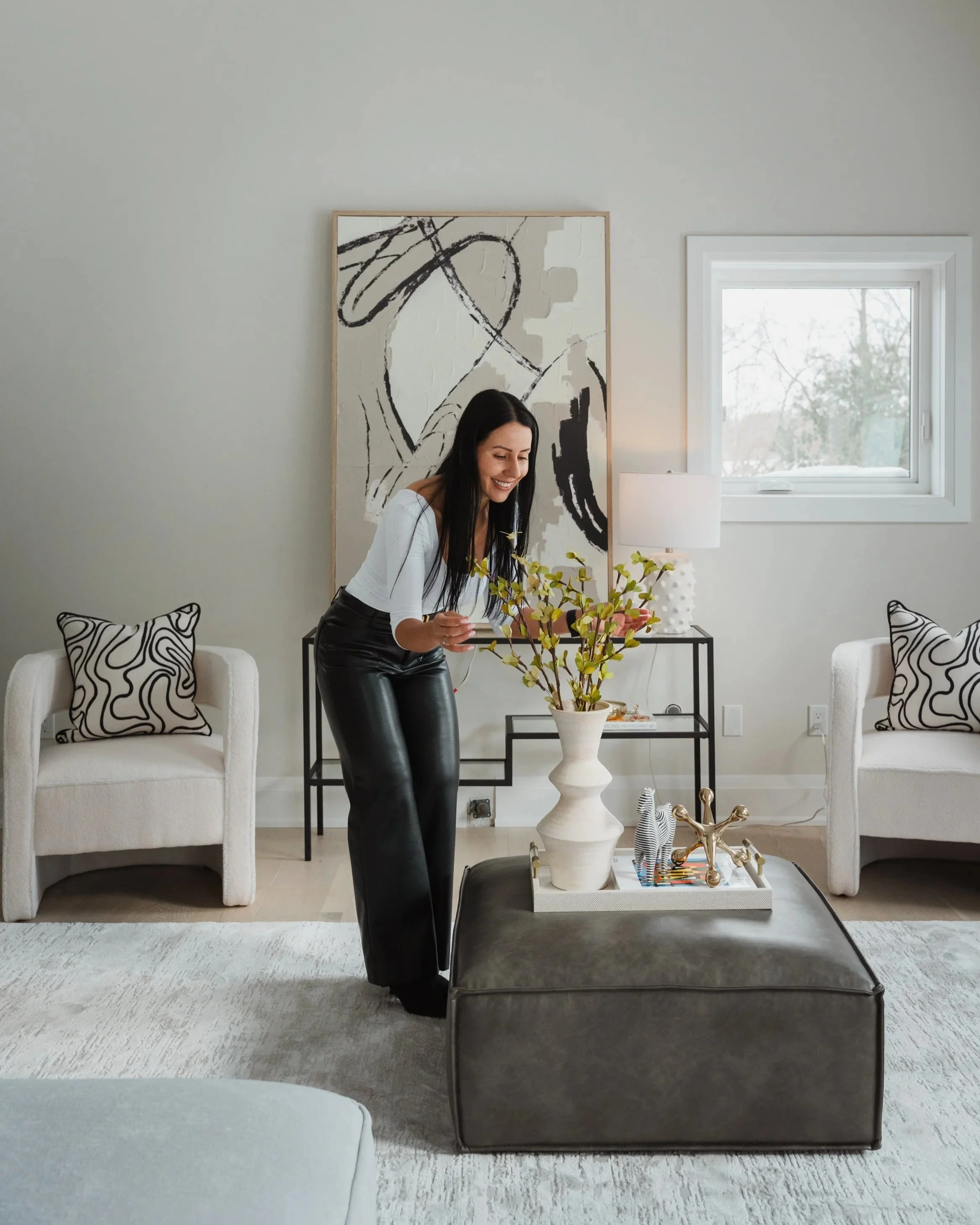
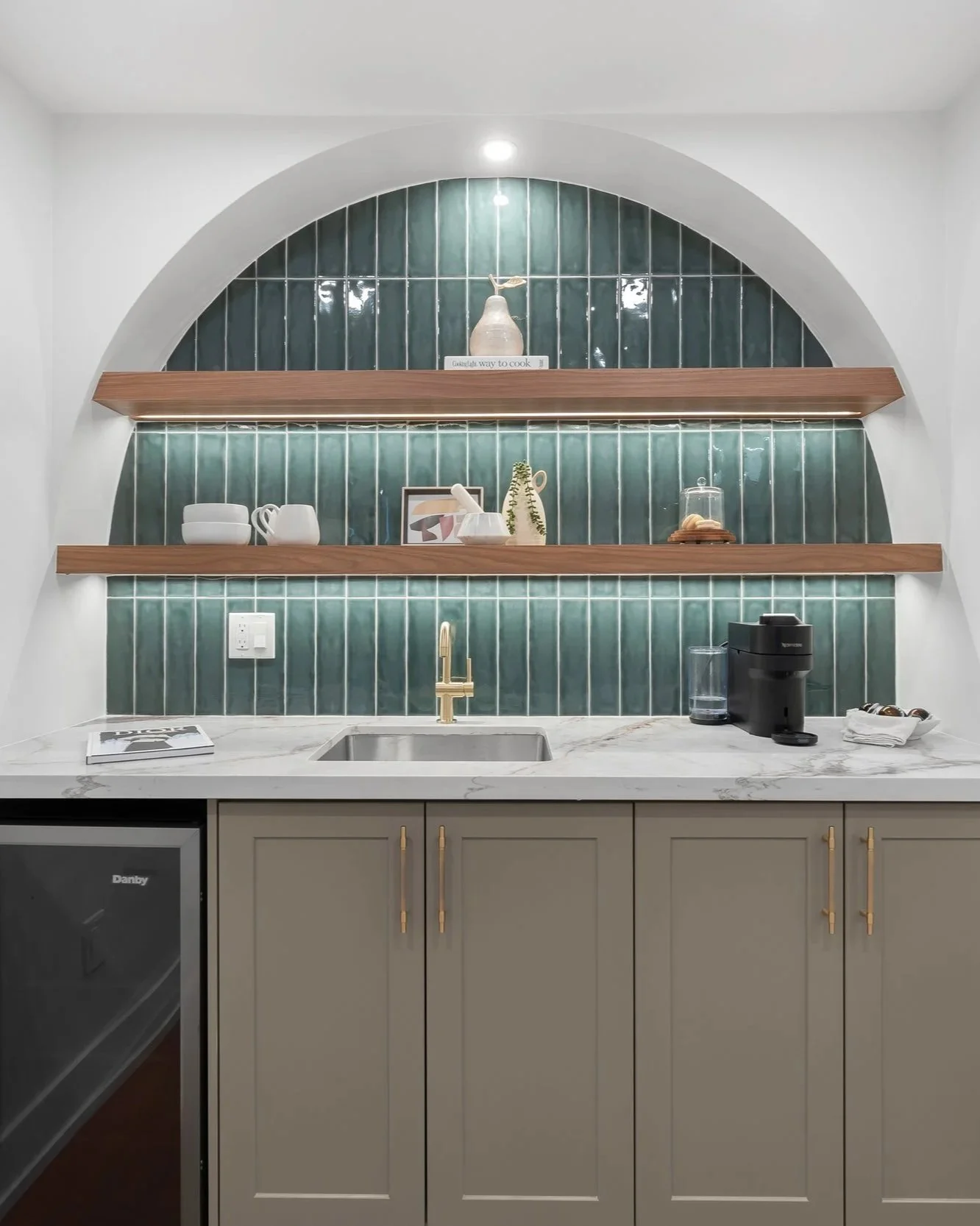
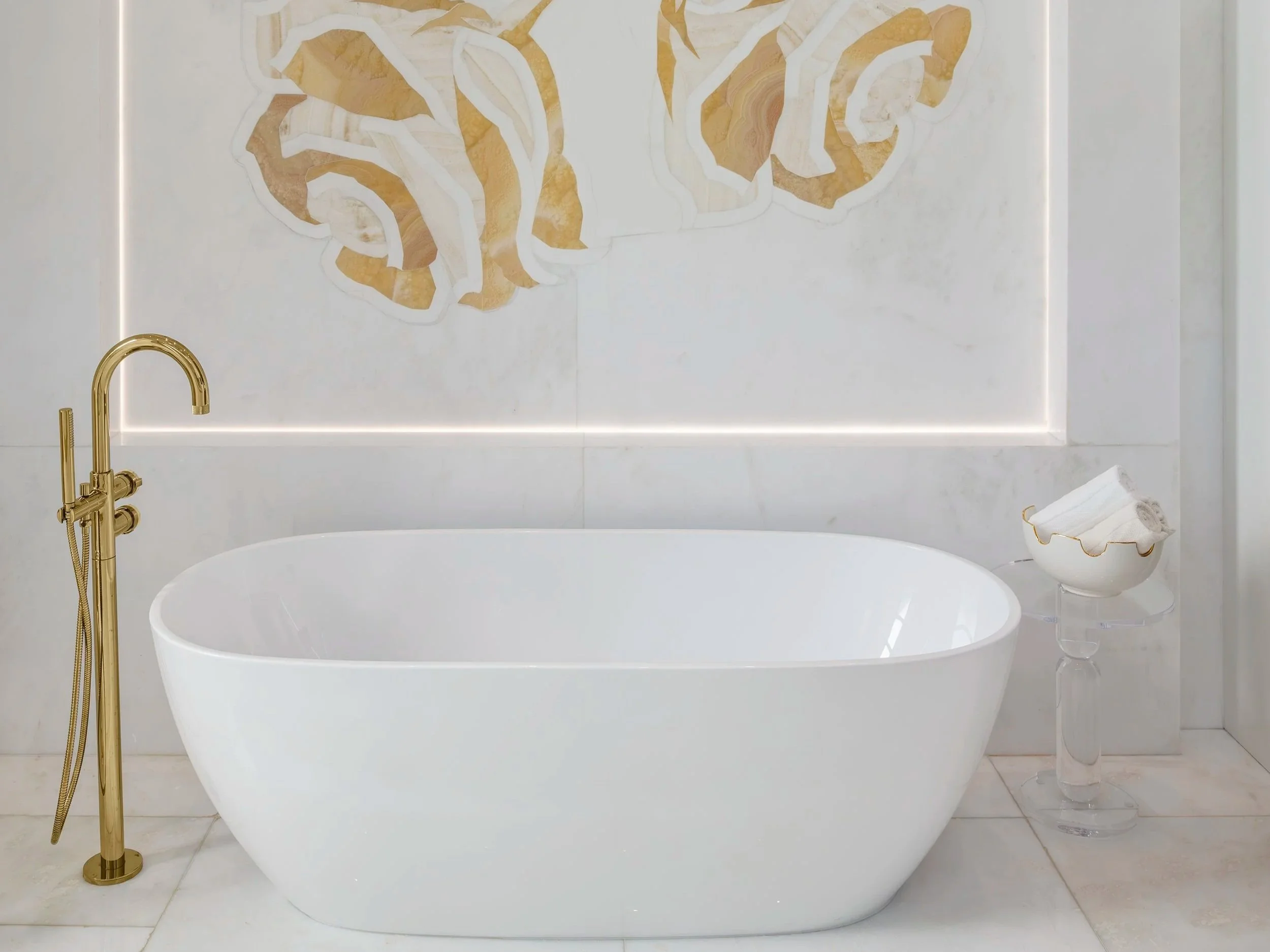
Bathrooms call for something else entirely: calm. For Brunskole, it’s less about spectacle and more about feeling. Natural light, if possible, is essential. “I don’t feel comfortable in a bathroom that is dark,” she admits. Instead, she gravitates toward spa-like environments—clean, neutral, and often wrapped in stone and softened with subtle sensory touches. It’s a space where people spend more intimate moments, and the design should reflect that.
That sensitivity to feeling is what underpins her approach. Staging, she explains, is both art and strategy, and a matter of understanding the buyer. In traditional homes, the goal is clarity, helping people understand how a space functions. In luxury properties, the focus shifts. “Luxury buyers are looking for a lifestyle,” she says. “It’s less furniture, but higher-quality pieces.”
“My first goal is to create a clean and welcoming environment,” she adds. Neutral, timeless tones allow buyers to project their own lives into the space rather than feeling like they’re stepping into someone else’s.
At its core, staging is about removing uncertainty. Not everyone can walk into an empty home and immediately understand how it will live. “Some people really can’t see their couch in the space, or where they would put their TV,” Brunskole says. Her work bridges that gap, turning abstraction into something tangible. It’s also why she remains cautious about virtual staging. While it may look compelling online, it can create a disconnect when the reality doesn’t match the image.
In the end, Brunskole isn’t just staging homes, she’s shaping perception, helping people recognize not just what a space is, but what it can become.
Stage Smart
Related Posts