The Right Stuff
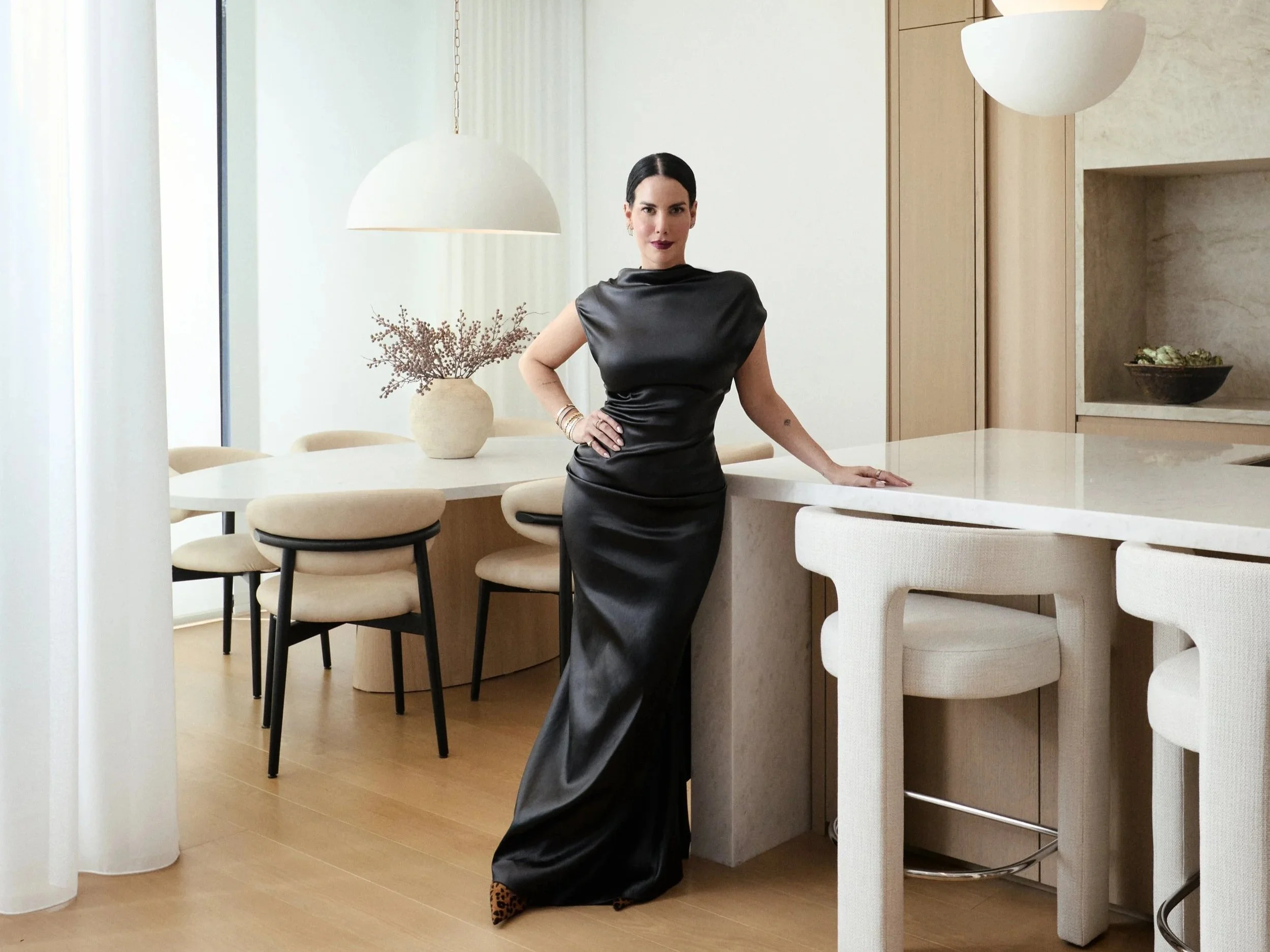
With Organize That, Effy Terry helps homeowners and companies make sense of their space.
By Eve Thomas

“Houses used to be cheap, and stuff was expensive, so people would fill theirs with heavy furniture and fine china as status symbols,” muses Effy Terry. “Now, houses are expensive and stuff is cheap. The new luxury is in space, time, freedom, travel.”
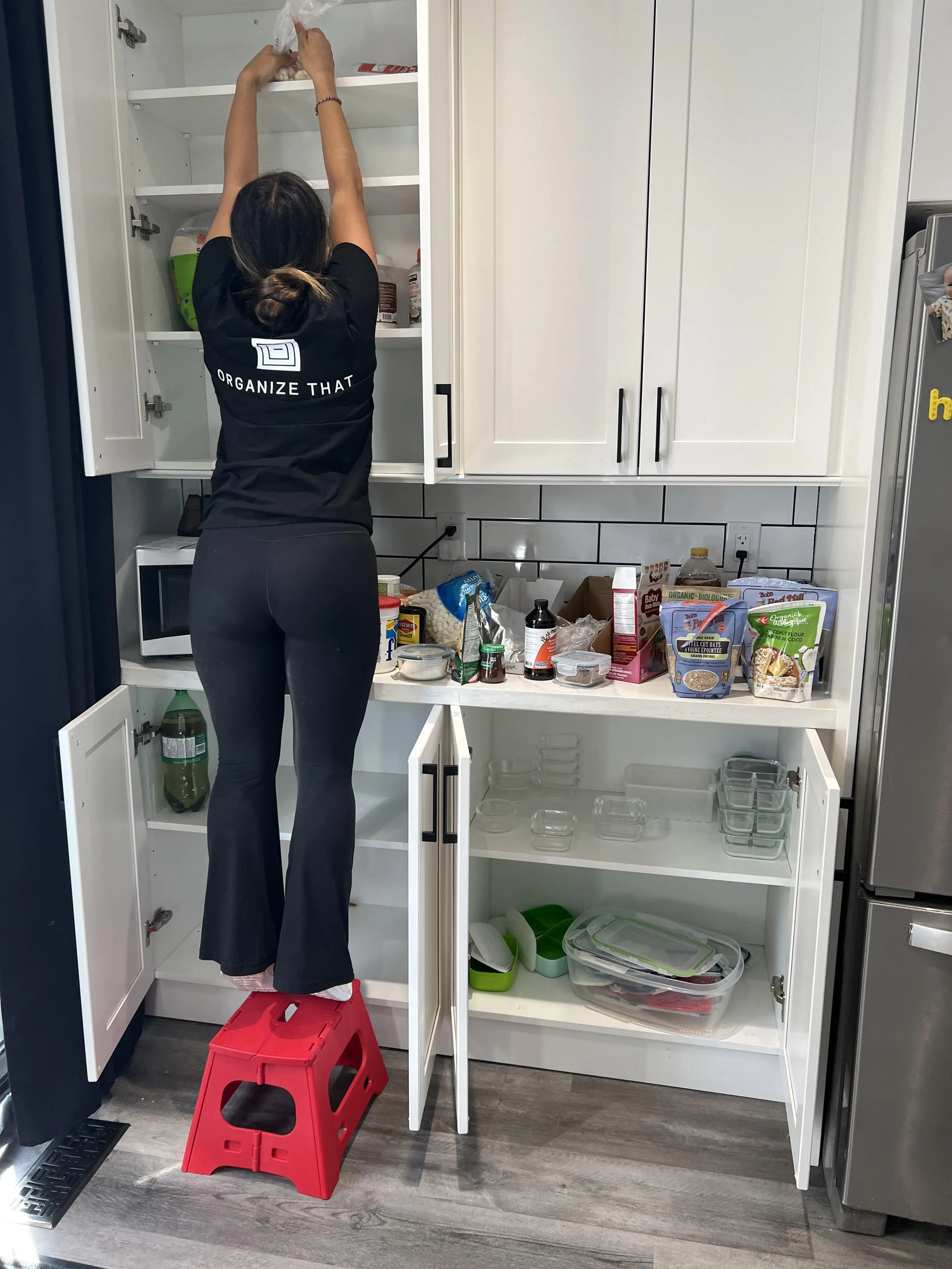
This decidedly contemporary dilemma—what to do with all this stuff—is where Terry does her best work. Through her company Organize That, she helps people—and businesses—in Toronto and the Durham region declutter and design holistic spaces and systems that work for them.
After leaving the corporate world in 2018, Effy Terry took organizing guru Marie Kondo’s course in New York. “She’s a trailblazer,” Terry says. However, her own system is a mix-and-match of courses and certifications, including her background in such areas as project management and mediation, even ADHD coaching. Her custom tools and concepts include her CEO system—“Categorize, Edit, Organize”—an approach that puts assessment and evaluation of possessions before any sorting or donating. It also reinforces that clients are the masters of their own belongings and are always in charge of final decisions about what to keep and what to discard. Overall, she says her goal is to “instill simple organizing systems that are sustainable.”
“Aesthetics are important to most people, but what I do is not just moving the deck chairs around or putting pretty labels on jars,” she says. Instead, she gets to the why, eschewing cookie-cutter tips for personalized advice. “One person might want clear bins so they can see everything inside, but another will want opaque because they can’t handle the [visual] noise.”
Just as important as tailoring her offerings to each client, Terry knows when to call in reinforcements, including an extensive network of qualified professionals who complement her skills, from interior decorators to licensed therapists to auctioneers who can help sell valuable heirlooms. “Do what you do best, then hire the rest,” she says.
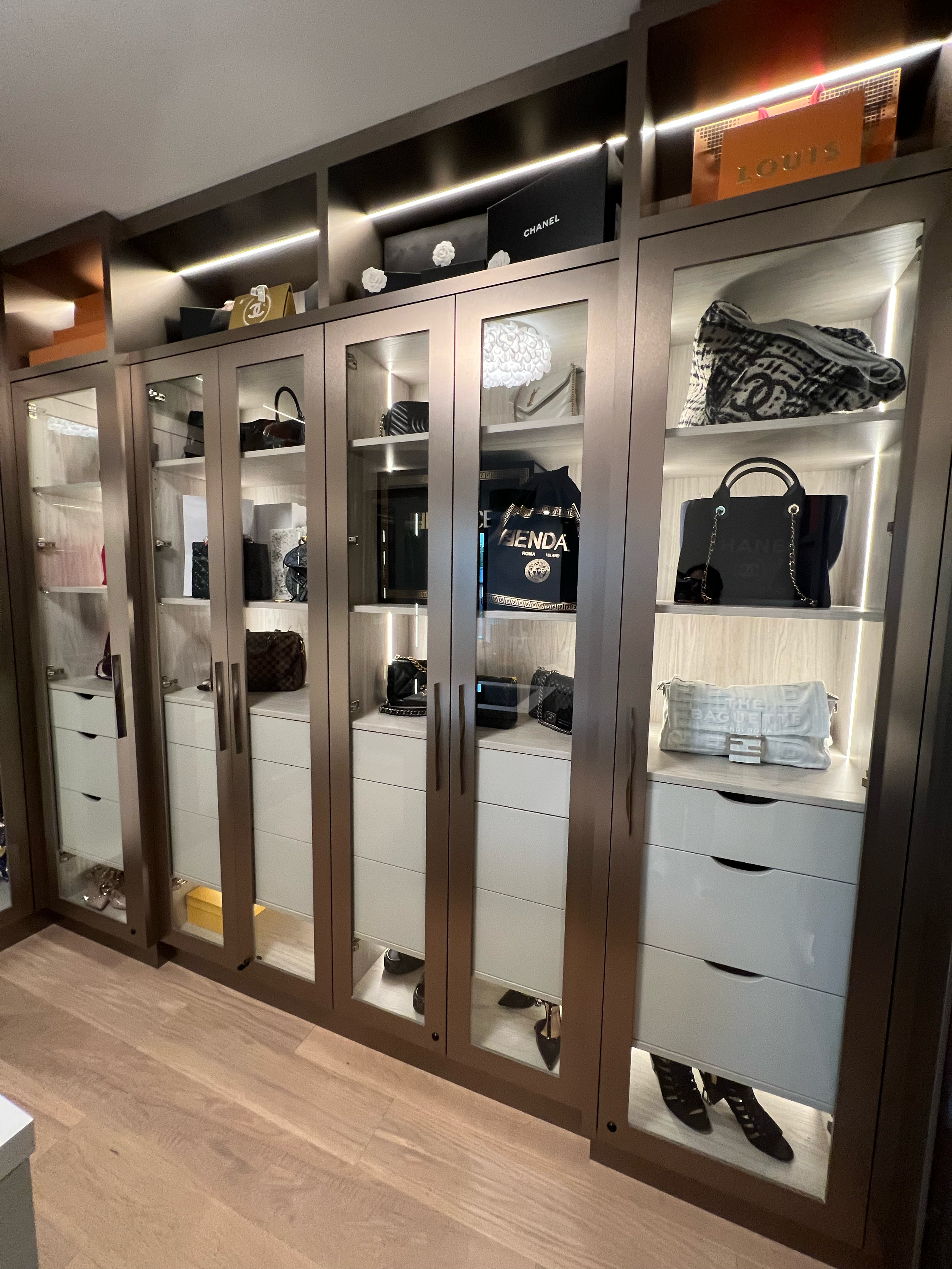
At the same time, Terry is the person brought in by other experts when something is beyond their capabilities. When an architect or builder realizes a job goes beyond basic blueprints, that they need to go deeper into the “why” of a new home’s layout or renovations, Terry’s insight is invaluable.
“Imagine someone’s renovating their basement and it’s full of stuff, they naturally might want to build more storage,” says Terry. “But that stuff might all be kids’ toys when their kids are now in university, or golf clubs when they no longer golf. They need to ask, ‘Am I still that person? What is this space actually for?’ And it can be a complicated question.”
One thing is for certain: The world of decluttering and organization is gaining in popularity, thanks in part to Marie Kondo and other decluttering influencers, not to mention broader cultural and demographic shifts, such as an aging population. Terry notes that there are also life phases that make people re-evaluate their possessions, including downsizing from a house to a condo, blending families upon remarriage, and empty-nest syndrome after the kids move out.
While there’s still some lingering stigma around clutter—Terry has even appeared on the reality show Hoarders—there has definitely been a shift in how—and how openly—people talk about feeling overwhelmed by their stuff. Terry says she’s noticed that getting a home organizer now can even be a status symbol.
“There was a woman, a real estate agent on Instagram, who said she gets someone to do her laundry because it opens her up to doing her own job better,” says Terry. “That’s how I see my role. If you have outside support, if they help you set up systems, it frees up your time and money. It helps you live your life better.”
Related Posts