The Future Is Smart
At Moorgen, a leader in smart home technology, intelligent systems are seamlessly embedded into architecture, creating kitchens and bathrooms that respond intuitively to daily life without disrupting design.
By Julie Gedeon
Living Luxe (LL): At what stage of a kitchen or bathroom project should smart technology be considered?
Marco Mir (MM): Ideally, from the very beginning. When smart systems are discussed during architectural planning and electrical layout development, everything works more naturally. When technology is planned early, it feels intentional. When added later, it can feel forced. In luxury design, intelligence should be part of the foundation, not an afterthought.
LL: How is smart technology transforming kitchens and bathrooms?
MM: It allows these spaces to adapt to life in real time. In the kitchen, lighting can shift from bright and focused during meal preparation to soft and welcoming when guests arrive. In the bathroom, light temperature can energize you in the morning and create a calming, spa-like atmosphere at night. It’s subtle but powerful. The space feels alive and responsive rather than static.
LL: Kitchens typically have many lighting layers. How does Moorgen manage this complexity?
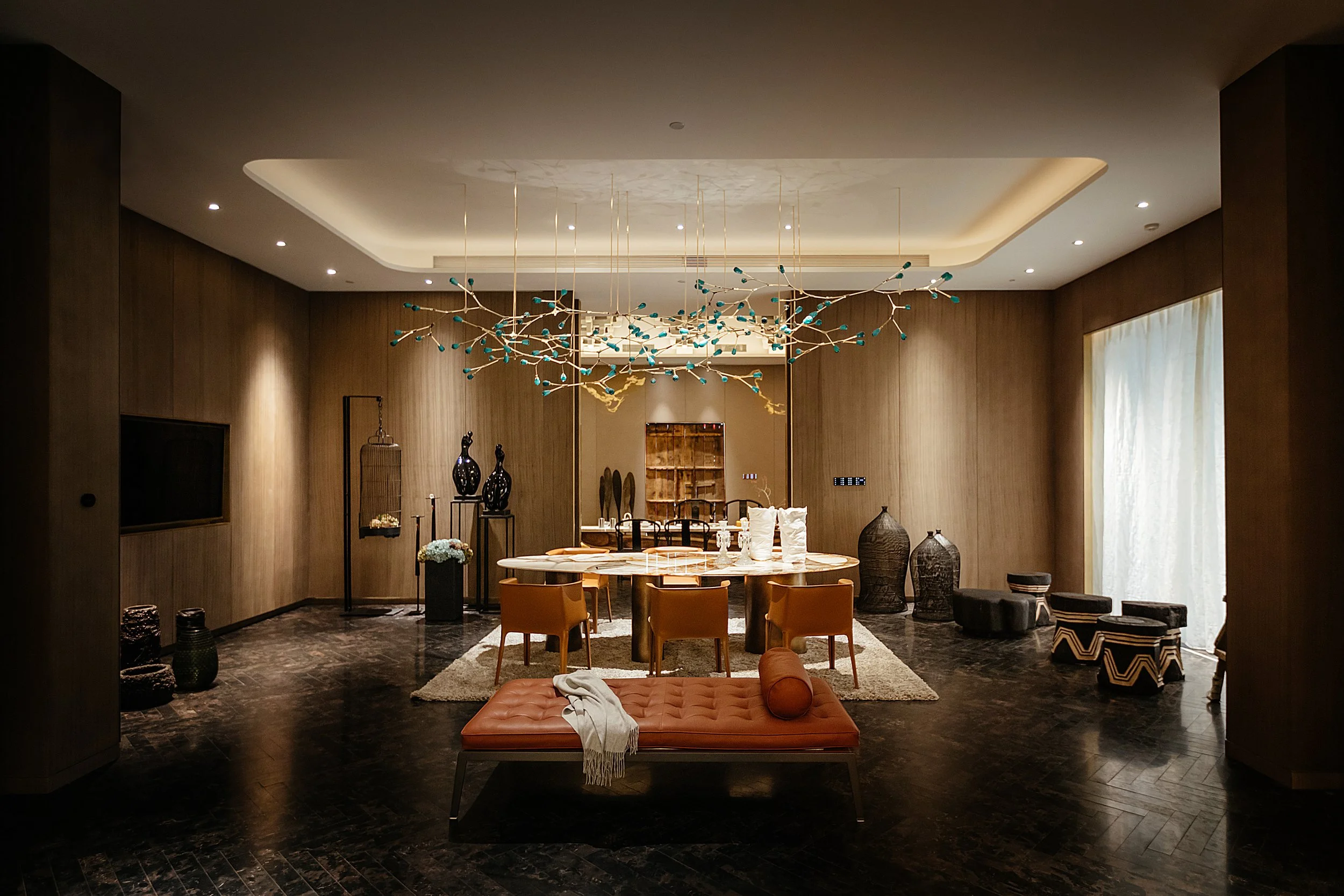
MM: The modern kitchen often includes under-cabinet lighting, recessed pot lights, pendants over the island, interior cabinet lighting, and decorative fixtures. Controlling each manually can feel overwhelming. Moorgen’s intelligent lighting control allows each layer to be dimmed smoothly from zero to 100 per cent. Homeowners can create personalized scenes such as Preparation Mode, with bright, task-oriented lighting; Entertaining Mode, warm and balanced; and Evening Relax Mode, with a softened perimeter glow. With one touch, the entire atmosphere shifts. The kitchen becomes more than functional; it becomes experiential.
LL: Minimalism is important in modern kitchens and bathrooms. How can smart controls stay discreet?
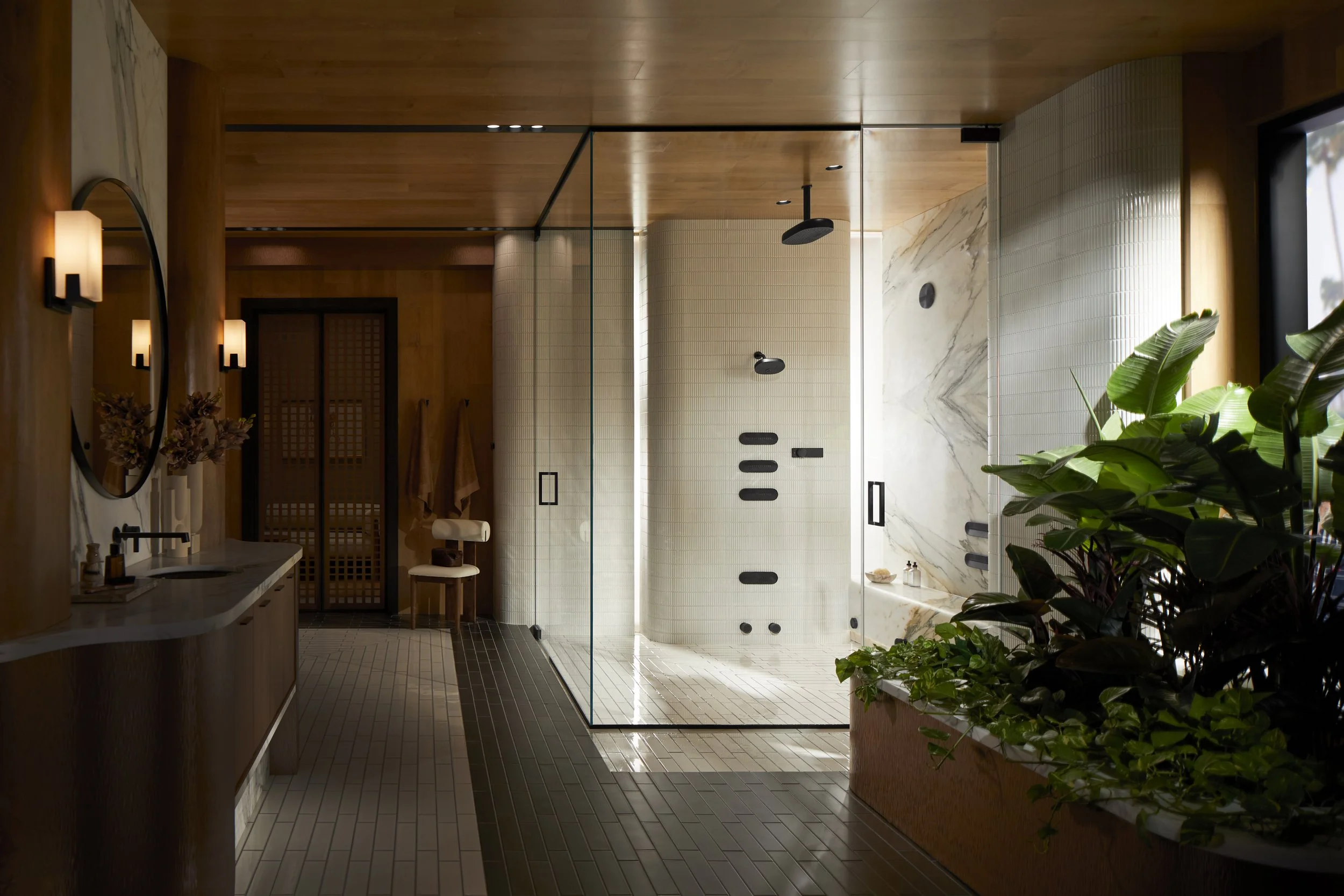
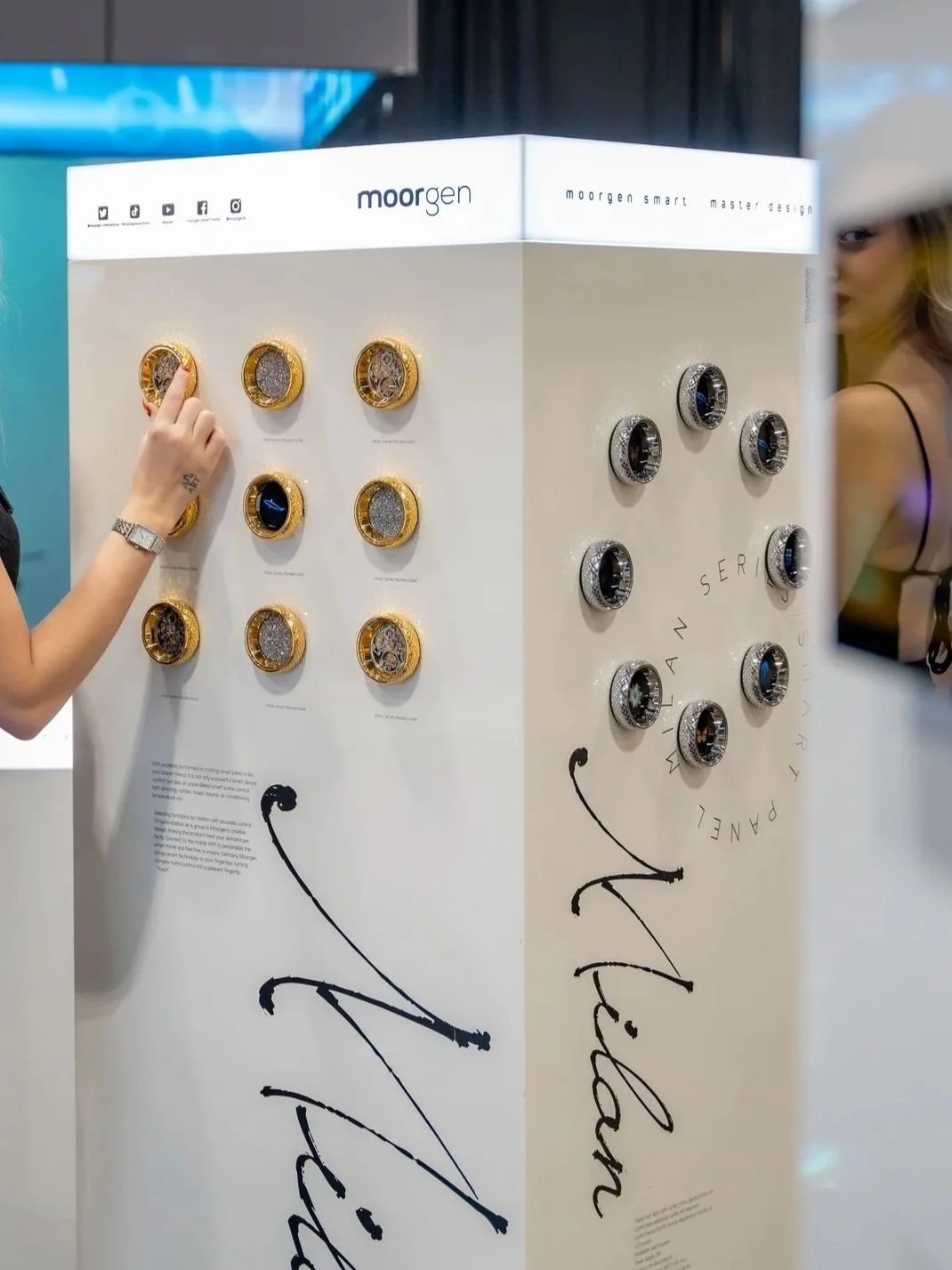
MM: This is where thoughtful design matters most. Moorgen offers architectural keypad solutions that can be integrated behind materials such as wood panels, marble, ceramic tile, or quartz. Our Denmark Series, for example, is designed to visually blend into the wall rather than interrupt it. The result is clean, uninterrupted surfaces, with full control hidden within. In spa-inspired bathrooms especially, preserving visual calm is essential.
LL: What can Moorgen manage in a bathroom environment?
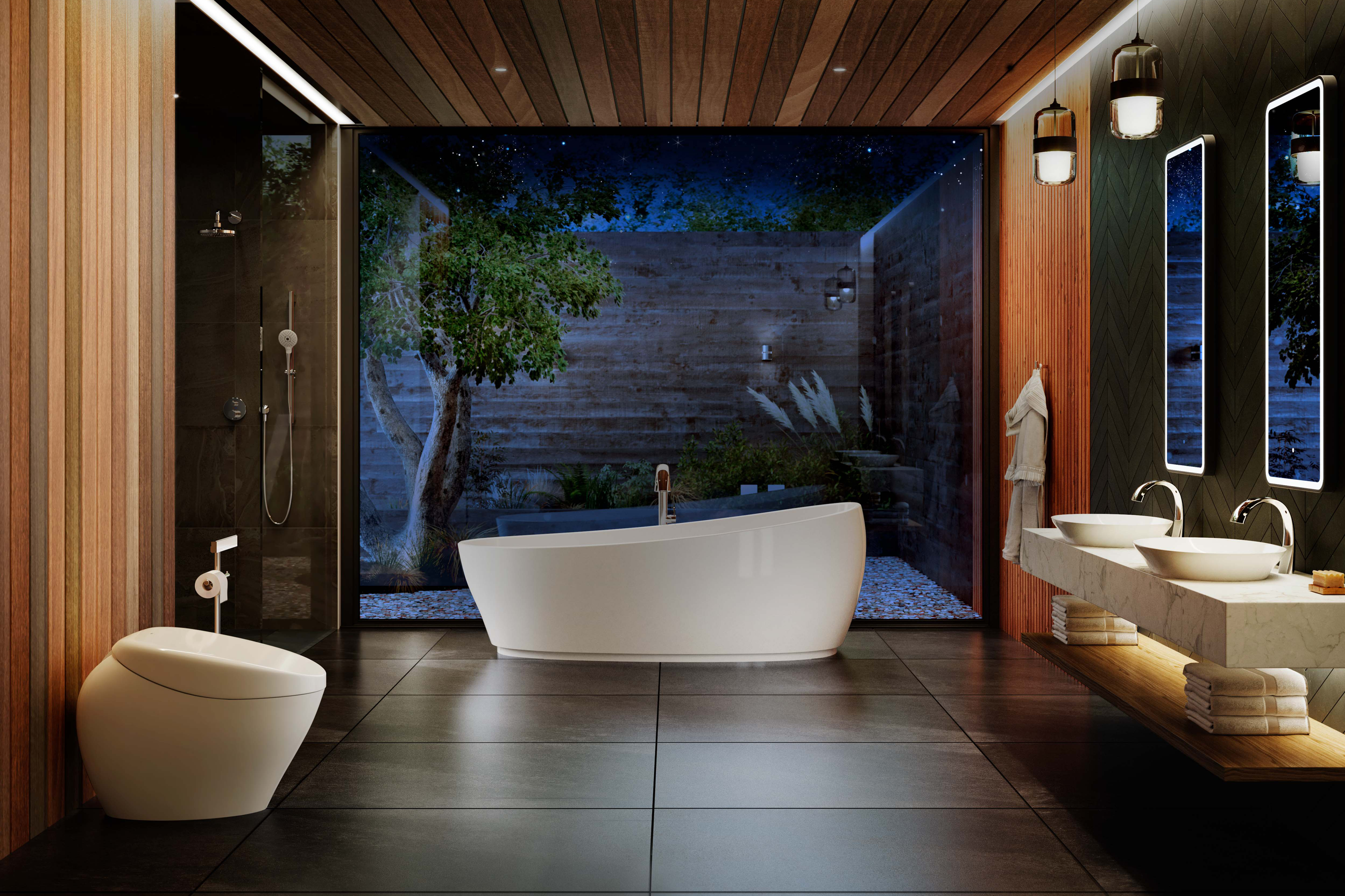
MM: Beyond lighting and music, the system can coordinate heated flooring, ventilation timing, towel warmers, privacy shading, and water temperature scheduling where infrastructure allows.Imagine activating a “Spa Mode” that dims lighting, warms the floor, lowers shades, and plays soft background music. The room instantly transforms into a personal retreat. And when you leave, the system ensures nothing runs unnecessarily, helping conserve energy.
LL: Does Moorgen offer a keypad solution that can be installed in wet areas such as bathrooms or even inside the shower?
MM: Yes, and this is one of Moorgen’s most distinctive innovations. Because the interface operates through gesture or touch sensitivity through the surface, homeowners can control lighting, music, ventilation, or preset scenes, even inside wet areas such as the shower, without exposed electrical components.
LL: Are there sustainability benefits to smart programming?
MM: Absolutely. Smart programming reduces waste by ensuring systems operate only when needed. Lighting adjusts rather than running at full output. Water circulation activates only before use. Temperature levels shift automatically during inactive hours. The result is comfort with consciousness, luxury that is both refined and responsible.
LL: Looking ahead, how do you see the future of smart kitchens and bathrooms?
MM: The future is quieter. Technology will become even more seamlessly embedded into architecture. Controls will be invisible. Systems will become more intuitive and personalized. In high-end kitchen and bathroom design, intelligence will soon be as fundamental as plumbing or lighting—present and essential, but almost unseen. That’s the direction we’re moving toward: homes that respond gently, intelligently, and beautifully to the people who live in them.
Moorgen Canada
Related Posts