The Concrete Difference
Stamped and patterned concrete may appear similar, but the results can differ dramatically. What lies behind the process makes all the difference.
Since 1972, Patterned Concrete has been a pioneer in decorative concrete, helping drive the global adoption of stamped concrete—so much so that its name has often become synonymous with the category. Today, the company offers customizable finishes through a controlled methodology built on proprietary tools, materials, and trained installers. Joe Guida, principal of the company, breaks down the difference between stamped concrete as a product category and Patterned Concrete as a system-driven approach.
Living Luxe (LL): When people hear “patterned concrete” and “stamped concrete,” they often assume they’re the same thing. What’s the key difference between the two?
Joe Guida (JG): The difference is that Patterned Concrete is a brand, while stamped concrete is a product category. Stamped concrete is a method of imprinting patterns into concrete for a decorative finish, and results can vary depending on the tools, materials, and installer experience. Patterned Concrete operates as both a manufacturer and installer, with a more controlled approach to design and execution. Stamped concrete is just one system offered by the brand.
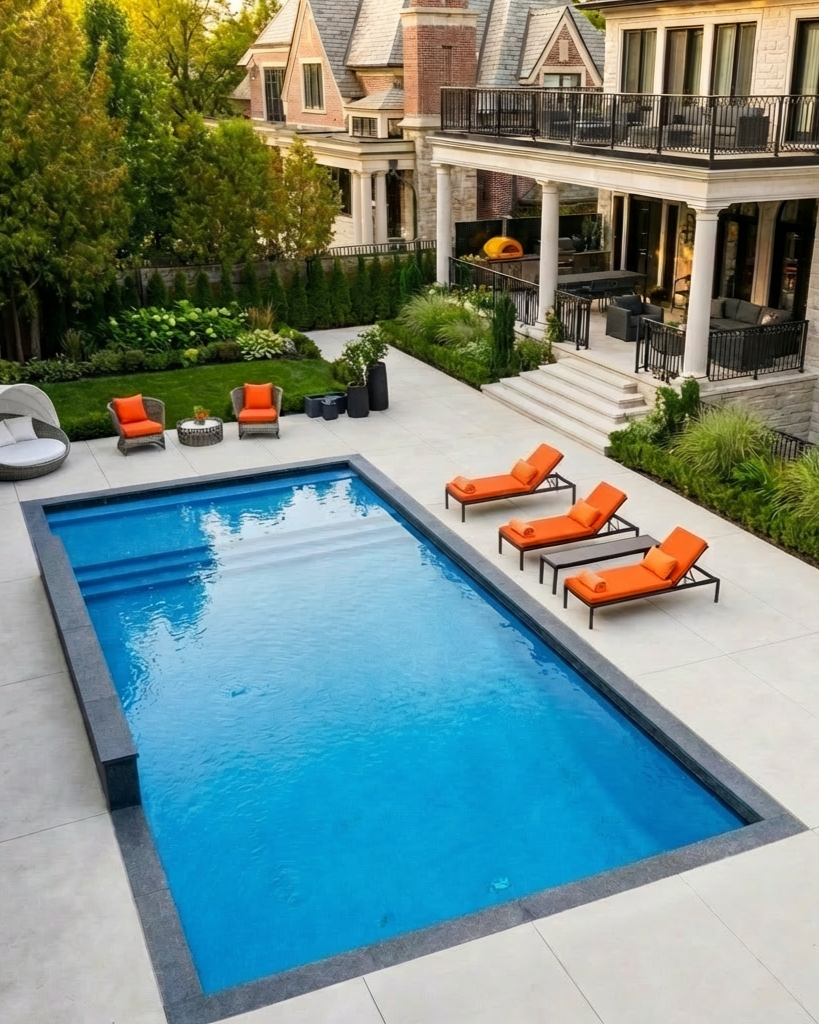
LL: How does Patterned Concrete’s approach differ from that of a typical stamped concrete contractor?
JG: Patterned Concrete manufactures its own designs and materials, creating alignment between how the product is developed and how it’s installed. Our systems are tested and refined by installers with decades of experience, using professional-grade, rigid stamping tools designed to produce a more consistent, realistic finish. In contrast, a typical stamped concrete contractor often sources tools and materials from multiple suppliers, using more flexible, mass-produced stamping mats and working within a limited set of designs. They also rely more heavily on individual experience, which can lead to a wider range of results.
LL: Stamped concrete is often associated with issues like cracking, shine, or slipperiness. Are those inherent to the material, or a result of how it’s designed and installed?
JG: Concrete will always crack to some degree. However, understanding how cracks are managed before and after placement can change one’s perspective on the issue. A small hairline crack early on may seem concerning, but it’s often the only issue over time, with little maintenance beyond occasional cleaning. Other issues, such as excessive shine, slipperiness, or inconsistent colour, are not inherent to the material but the result of how the surface is finished and maintained. With our controlled system, those variables are managed. The goal is always a low-maintenance, long-lasting, natural-looking finish.
LL: What should homeowners or designers look for to distinguish a higher-quality decorative concrete installation?
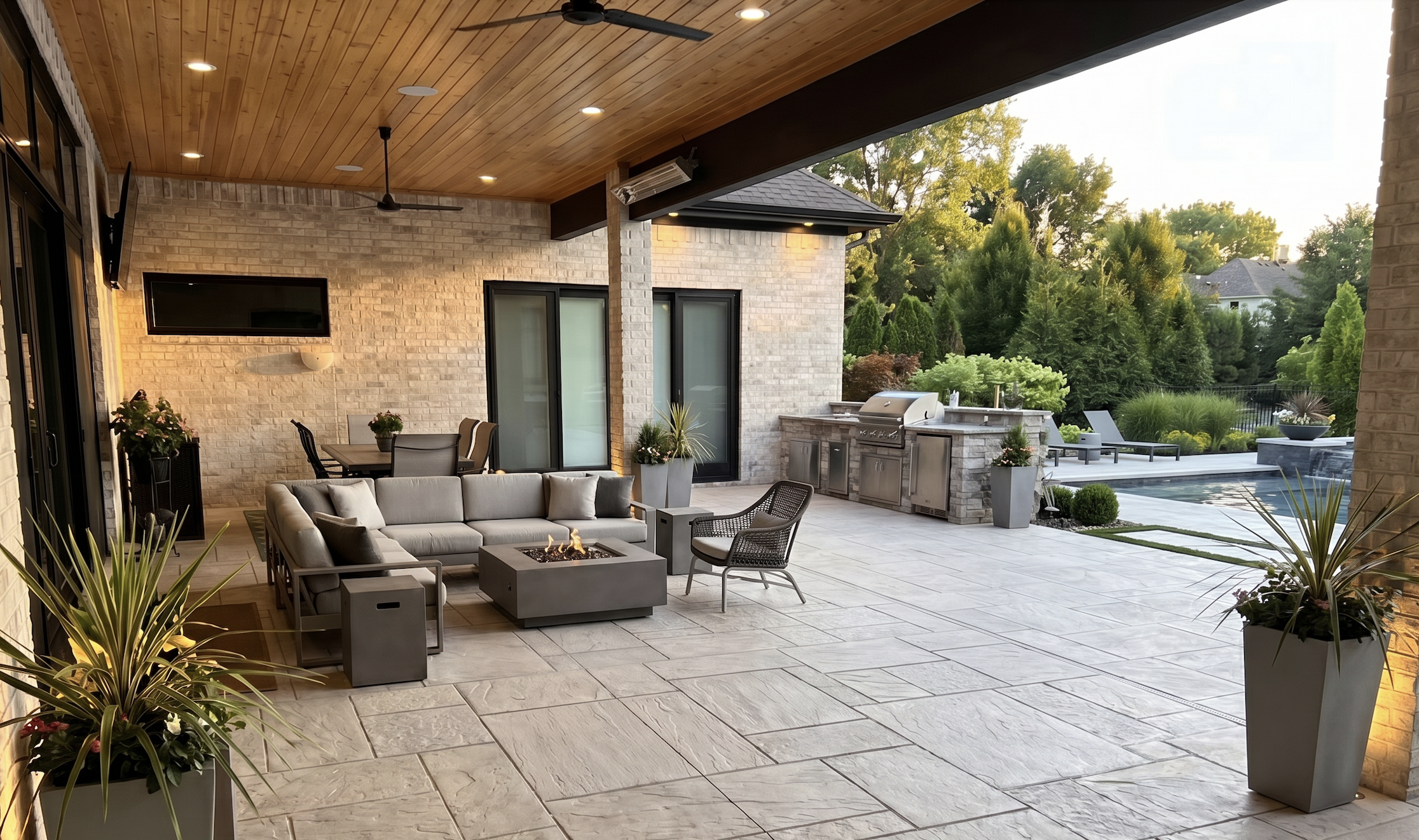
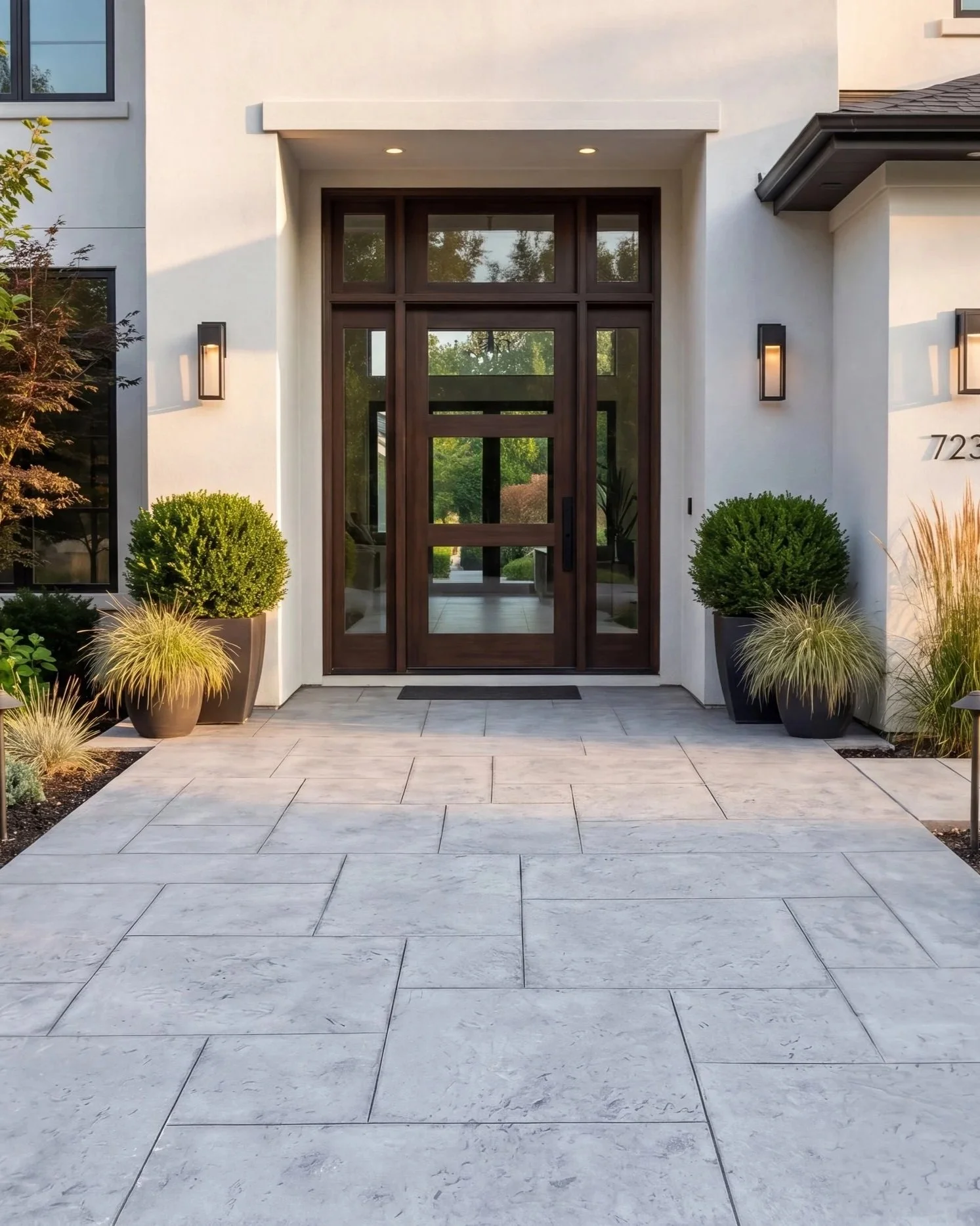
JG: There are several key indicators. A standard stamped approach typically has a more repetitive design, less natural-looking texture, and often uses a glossy sealer that can make the surface slippery when wet; it can look “fake.” A higher-end installation focuses on mimicking natural building materials, with more variation in pattern, integrated joints, and a non-slip, non-shiny finish. Beyond appearance, long-term performance depends on what lies beneath the surface: base preparation, drainage, reinforcement, mix design, and material quality. If these are not addressed properly, the slab may perform well for only a few years. With a proper base and drainage design, a concrete installation can last 25-plus years with minimal issues.
Related posts